
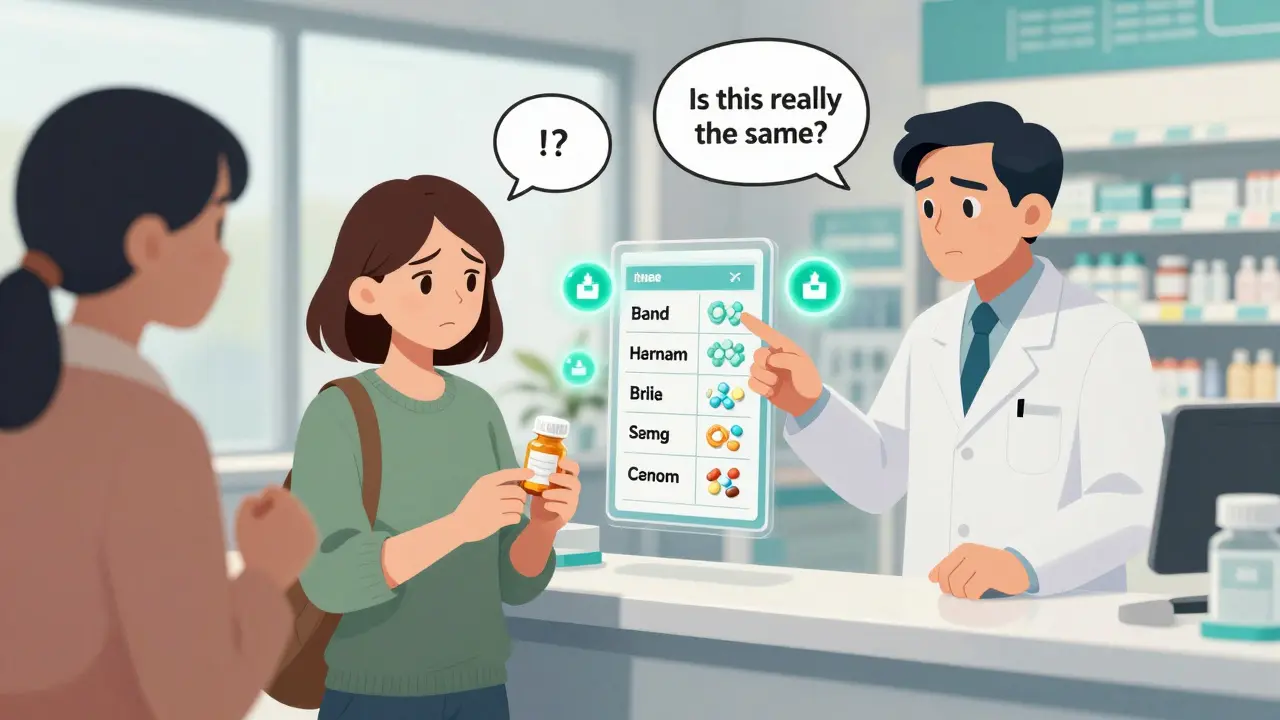
When your prescription switches from a brand-name drug to a generic version, it’s not just a label change. It’s a moment that can affect how you feel, how much you pay, and whether your treatment stays on track. For many, the switch happens quietly - a different-looking pill at the counter, a lower co-pay, and maybe a quick note from the pharmacist. But for others, it’s confusing, unsettling, or even dangerous. The truth is, generic drug transitions aren’t automatic wins. They require you to speak up, ask questions, and stay involved.
What Exactly Happens When a Drug Goes Generic?
When a brand-name drug’s patent expires, other companies can make identical versions - these are generics. The FDA requires them to have the same active ingredient, strength, dosage form, and route of administration as the original. They must also deliver the same amount of medicine into your bloodstream at the same rate. This is called bioequivalence. The FDA’s standard? The generic must work within 80% to 125% of the brand’s effect. That sounds strict, and it is. But it doesn’t mean every patient will notice no difference.
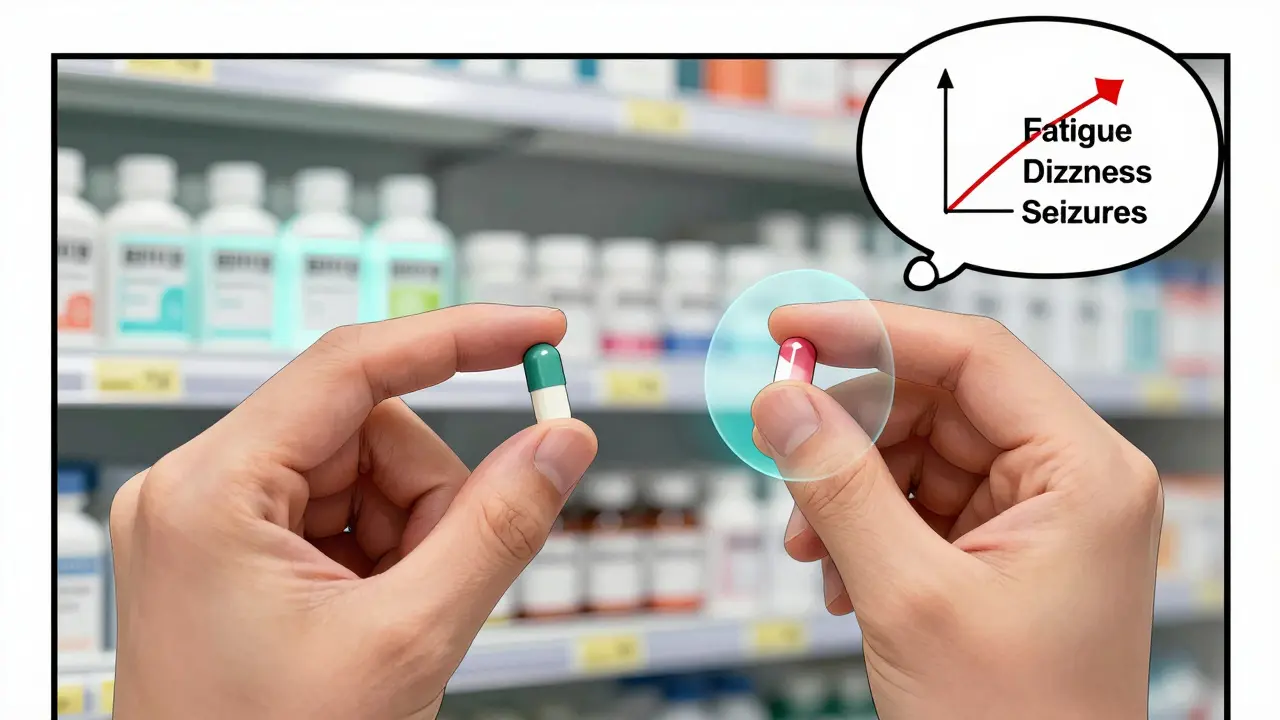
Generics can look different - different color, shape, or markings. They might use different inactive ingredients like fillers or dyes. For most people, that’s harmless. But for someone taking a drug with a narrow therapeutic index - like levothyroxine, warfarin, or certain seizure medications - even tiny changes in how the body absorbs the drug can lead to problems. One study in JAMA Internal Medicine found that 9.4% of patients switching from brand to generic antiepileptic drugs had a therapeutic failure, compared to just 5.3% who stayed on the brand.
Why Talking to Your Pharmacist Matters
Your pharmacist is the last person who sees your medication before you take it. They’re trained to spot issues others miss. During a generic transition, they’re the one who can:
- Check if your insurance allows the switch or requires prior authorization
- Warn you if the new generic has different inactive ingredients that might affect you
- Confirm whether your condition makes you more sensitive to changes
- Help you track side effects or changes in how you feel
Many patients don’t realize they can - and should - ask questions. You don’t need to sound like a doctor. Just say: "I’ve never taken this version before. Is it safe for me?" or "I felt different last time I switched. Should I be concerned?"
Pharmacists aren’t just filling bottles. They’re part of your care team. The American Association of Colleges of Pharmacy says pharmacists are "medication experts" who help patients understand why a switch is appropriate - and when it might not be.
When to Start the Conversation
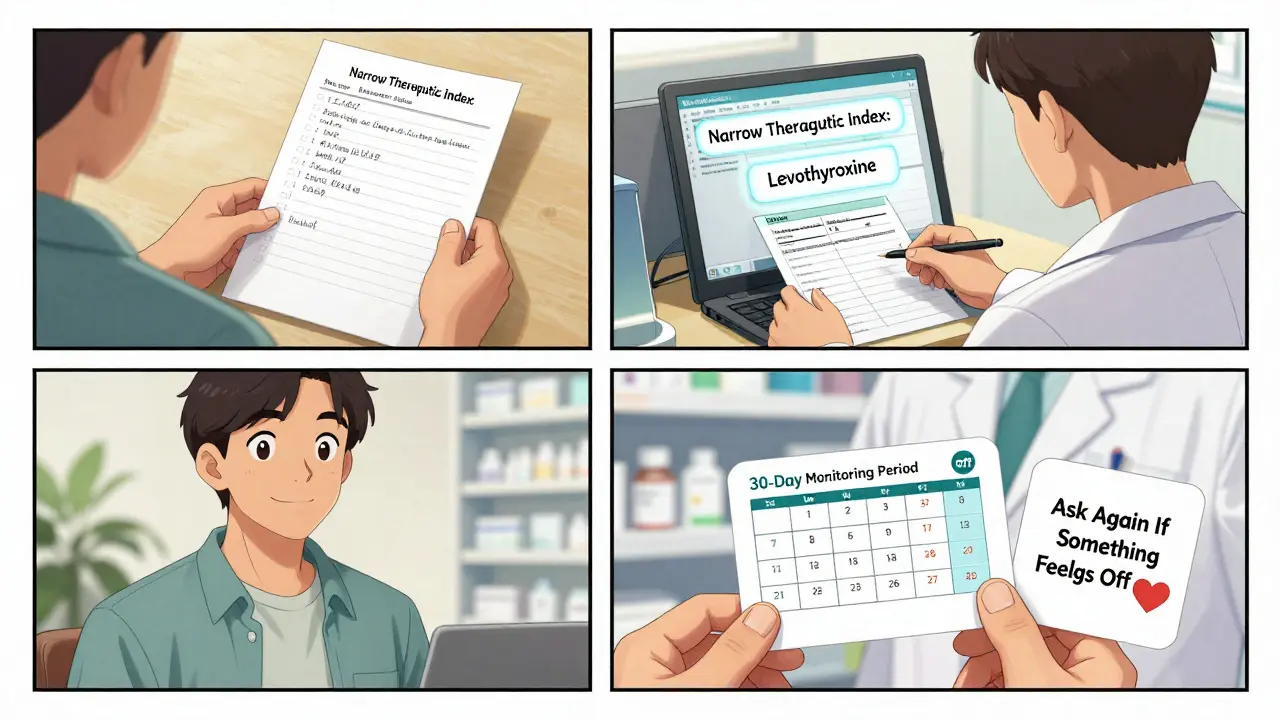
Don’t wait until your last pill is gone. Experts recommend starting the conversation at least 30 days before your current supply runs out. That gives time to:
- Check if your insurance covers the generic - or if you need a special exception to stay on the brand
- Ask if your prescriber needs to approve the switch
- Find out if there’s a patient support program from the generic manufacturer
- Arrange for medication synchronization so all your refills line up
Medicare Part D plans are required to give you a 90-day transition period if you’re switching plans or if your drug is removed from the formulary. Use that time wisely. If you’ve been on a brand-name drug for years and feel fine, you can request to stay on it - but you may need your doctor to write a letter explaining why.
What to Bring to the Pharmacy
Walk in with a clear list. Not just the name of your drug - include:
- The exact dose (e.g., 5 mg, not "one pill")
- How often you take it (morning, night, with food?)
- Why you take it (high blood pressure? seizures? thyroid?)
- Any side effects you’ve noticed
- Other medications you’re taking - even over-the-counter ones
Bring your insurance card and your current prescription bottle. If you’ve had issues with generics before, write it down. Say: "Last time I switched to a generic for my thyroid med, I felt tired and gained weight. I went back to the brand and it got better." That kind of detail helps them make better decisions.
Red Flags to Watch For
Not all changes are normal. If you notice any of these after switching to a generic, contact your pharmacist immediately:
- New or worsening side effects (dizziness, nausea, rash)
- Changes in how well your condition is controlled (more seizures, higher blood pressure, unusual fatigue)
- Feeling like the medication "doesn’t work like it used to"
- Confusion about pill appearance - especially if it’s different from the last refill
One Reddit user shared that after switching from brand-name Keppra to generic levetiracetam, their seizure frequency doubled. They had to go back to the brand. Another person said their cholesterol medication stopped working after a switch. These aren’t rare. A 2022 survey found 22% of patients reported concerns about effectiveness after switching.
Cost Isn’t Always the Whole Story
Generics save money - a lot of it. Medicare beneficiaries save an average of $265 per medication annually when switching. But sometimes, the savings aren’t worth the risk. If you’ve been stable on a brand-name drug for years, and you’re concerned about how your body will react, you have options.
Your pharmacy can help you:
- Check if your plan allows a brand-name exception
- Apply for patient assistance programs (some generic makers offer discounts)
- Find out if an authorized generic (made by the original brand) is available - it’s the same as the brand, just cheaper
Authorized generics are often the best of both worlds: same formula, lower price. Ask if one exists for your drug.
What’s Changing in the System
The rules are getting easier. In August 2023, the DEA allowed pharmacies to transfer electronic prescriptions for controlled substances (like pain meds or ADHD drugs) without needing the doctor’s approval. That means if you switch pharmacies during a generic transition, you can move your prescription faster.
Electronic health records are also improving. Systems like Epic now automatically alert pharmacists when a patient is switching from brand to generic, reducing errors. Some pharmacies are even testing blockchain systems to track every pill’s history - helping patients see exactly what they’re getting.
But technology doesn’t replace conversation. A 2023 study showed that patients who talked to their pharmacist during a transition were 27% more likely to stick with their medication long-term.
What You Can Do Right Now
Don’t wait for a problem to happen. Here’s your action plan:
- Check your next refill date. If it’s within 30 days, call your pharmacy now.
- Ask: "Is my medication switching to a generic?" If yes, ask: "Will I notice a difference?"
- Bring your full medication list to your next visit - even if you’re not picking up a prescription.
- Write down how you feel before and after the switch. Note timing, side effects, energy levels.
- If you’re unsure, ask for a 30-day trial. You can always switch back.
Most people switch to generics without issue. But if you’re one of the 1 in 5 who notices a change, you’re not alone. And you don’t have to just accept it. Your pharmacist is there to help you navigate it - but only if you ask.
Are generic drugs really as good as brand-name drugs?
Yes - for most people, generics work just as well. The FDA requires them to be bioequivalent, meaning they deliver the same active ingredient at the same rate. Studies show that over 75% of patients report no difference in effectiveness or side effects after switching. But for drugs with a narrow therapeutic index - like thyroid meds, blood thinners, or seizure drugs - even small differences in absorption can matter. That’s why talking to your pharmacist is key.
Why does my generic pill look different?
Generics can’t look exactly like the brand-name version - that’s a trademark issue. So they change the color, shape, or markings. This doesn’t affect how the drug works. But it can confuse you, especially if you’re taking multiple pills. Always check the label and ask your pharmacist to confirm it’s the right medication. If you’re unsure, don’t take it until you verify.
Can I refuse a generic switch?
Yes. If you’re concerned, tell your pharmacist you’d prefer to stay on the brand. They can check if your insurance allows it or if your doctor can write a letter of medical necessity. Many plans require prior authorization to cover brand-name drugs when a generic is available - but it’s possible. You have the right to ask.
What if I feel worse after switching?
Don’t ignore it. Contact your pharmacist right away. They can help determine if it’s related to the switch, check for drug interactions, or suggest going back to the brand. If you’ve had a bad experience before, mention it - pharmacists keep notes on patient reactions. For serious symptoms like increased seizures, chest pain, or severe dizziness, contact your doctor immediately.
Is there a way to avoid being switched without asking?
Not reliably. Most pharmacies automatically substitute generics unless the prescription says "dispense as written" or "no substitution." If you want to avoid automatic switching, ask your doctor to write "Do Not Substitute" on your prescription. It’s not foolproof - insurance rules can override it - but it gives you more control. Always confirm with your pharmacist before refilling.





Sam Dickison
February 7, 2026 AT 06:41