Achieve Your Dream Body with Jacob's Ladder: The Revolutionary Dietary Supplement
May 14 2023
Hair Loss Treatment: What Actually Works and What to Avoid
When it comes to hair loss treatment, medical approaches aimed at slowing or reversing thinning hair. Also known as alopecia treatment, it's one of the most searched-for health topics worldwide—because losing hair isn't just cosmetic. It affects confidence, self-image, and sometimes even mental health. The good news? Not all hair loss is permanent. For many people, especially those with male pattern baldness, a genetic condition where hair follicles shrink over time due to hormone sensitivity, there are proven options that actually work.
Two drugs dominate the science-backed list: minoxidil, a topical solution that stimulates blood flow to hair follicles and finasteride, an oral medication that blocks the hormone responsible for shrinking follicles. Minoxidil is available over the counter. Finasteride requires a prescription. Both take months to show results—and if you stop using them, the hair you gained usually falls out again. That’s not a flaw—it’s how they work. They’re maintenance tools, not cures. Many people give up too soon because they expect overnight change. But hair grows slowly. Patience matters.
Not all hair loss is the same. If you’re losing patches of hair in circles, that’s alopecia areata—a different issue tied to the immune system. If you’re shedding more than usual after stress, illness, or childbirth, that’s telogen effluvium. And if you’ve been using harsh chemicals or tight hairstyles for years, traction alopecia could be the culprit. Each needs a different approach. Some treatments work for one type and do nothing for another. That’s why self-diagnosing with YouTube videos or Amazon reviews often leads to wasted money and frustration.
What doesn’t work? Most supplements marketed as "miracle hair growth pills." No vitamin, mineral, or herbal blend has been proven to reverse genetic hair loss in large, controlled studies. Some might help if you’re severely deficient in iron or vitamin D—but that’s rare in healthy adults. Same goes for laser combs, scalp rollers, and expensive shampoos that promise thick hair in 30 days. They might feel nice. They won’t change your genetics.
Real progress comes from knowing your type of hair loss, using science-backed tools consistently, and talking to a doctor who understands the full picture—not just a salesperson at a clinic that only sells one product. The posts below dig into exactly that: how to tell if your hair loss is from medication, stress, or genes; what side effects to watch for with finasteride; why some people see results while others don’t; and how to avoid scams that prey on desperation. You’ll find real stories, real data, and real advice from people who’ve been there. No fluff. No hype. Just what helps—and what doesn’t.
 18 Nov
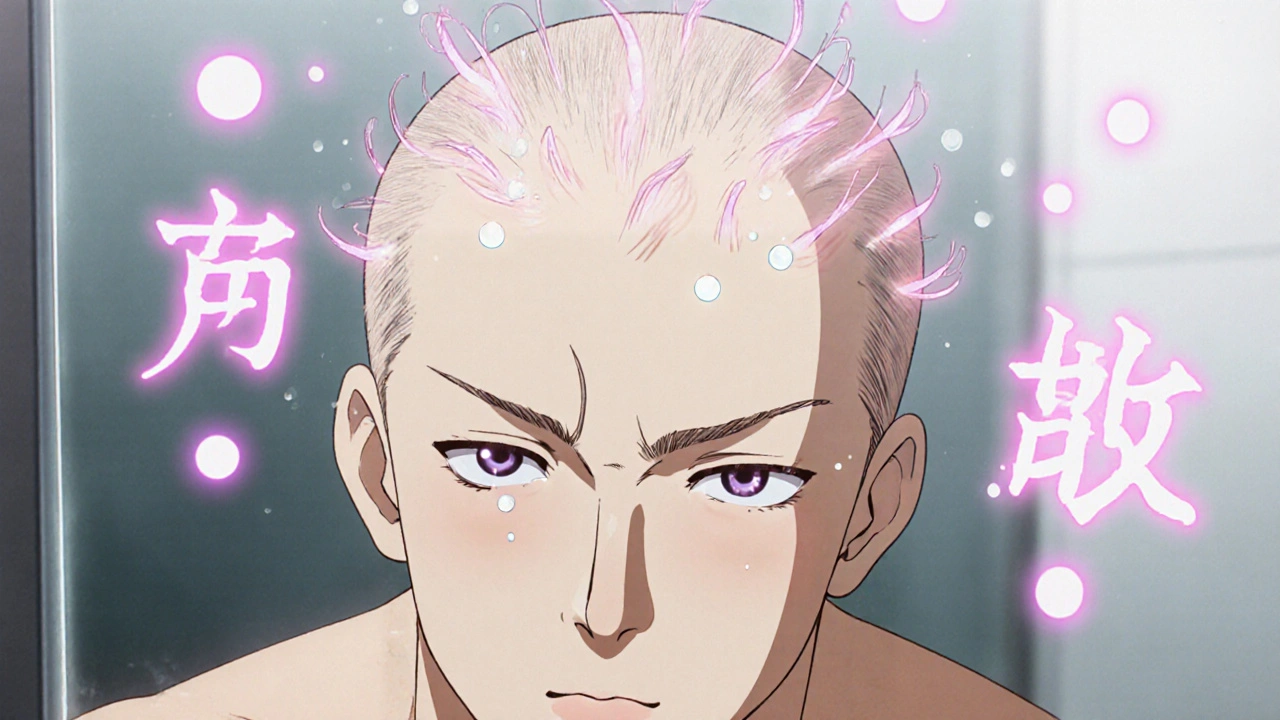
Rogaine 2% Minoxidil vs Alternatives: What Actually Works for Hair Loss
Rogaine 2% minoxidil is a proven treatment for hair loss, but it's not the only option. Compare it to 5% minoxidil, finasteride, laser devices, and natural alternatives to find what works best for you.
Read More...POPULAR POSTS
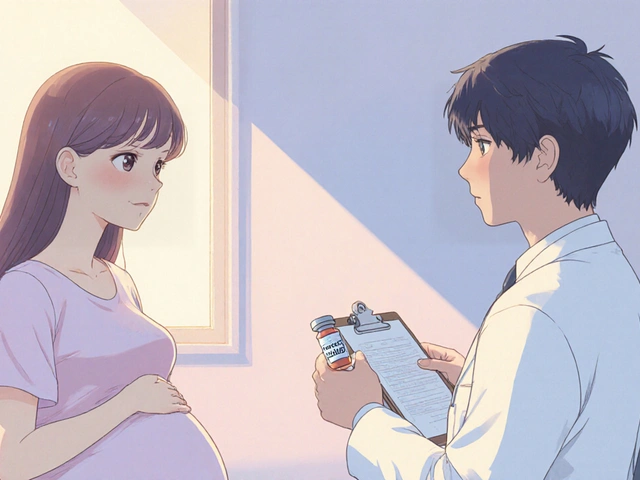
Amiloride & Pregnancy Safety Guide 2025
October 25 2025

Top Alternatives to MapleLeafMeds.com: Explore Your Options
February 24 2025