Generic Drug Labeling Requirements: What the FDA Actually Mandates
November 17 2025
Opioid Overdose: Signs, Risks, and What to Do in an Emergency
When someone experiences an opioid overdose, a life-threatening reaction to too much opioid medication or illicit drug use. Also known as opioid poisoning, it happens when breathing slows or stops because opioids suppress the brain’s drive to breathe. This isn’t rare—it’s a public health emergency. In the U.S. alone, over 70,000 people died from opioid overdoses in 2021, and many of those involved fentanyl, a synthetic opioid 50 to 100 times stronger than morphine.
It’s not just street drugs that cause this. Prescription painkillers like oxycodone, hydrocodone, and even methadone can lead to overdose if taken in higher doses than prescribed, mixed with alcohol or benzodiazepines, or if someone’s tolerance drops after a period of not using. Naloxone, a fast-acting medication that reverses opioid overdose by blocking opioid receptors in the brain. Also known as Narcan, it’s available without a prescription in most states and can be carried like an EpiPen. If you see someone unresponsive, blue around the lips, or breathing shallowly, give naloxone immediately—even if you’re not sure it’s opioids. It won’t hurt someone who didn’t take opioids.
Many people don’t realize how quickly an overdose can turn fatal. A single pill laced with fentanyl can kill. That’s why it’s critical to never use alone, to have naloxone on hand if you or someone you know uses opioids, and to call 911 even after giving naloxone. The effects of naloxone wear off faster than some opioids, so the person can stop breathing again. Emergency care is still needed.
Opioid addiction, a chronic brain disorder marked by compulsive drug use despite harmful consequences. Also known as opioid use disorder, it’s not a moral failure—it’s a medical condition that responds to treatment. Medications like buprenorphine and methadone can help people stabilize, reduce cravings, and rebuild their lives. But treatment only works if people feel safe asking for help. Stigma keeps too many from reaching out.
Overdose prevention isn’t just about naloxone or stopping use. It’s about understanding risk. People who’ve been through detox or rehab are at higher risk because their tolerance is lower. Mixing opioids with sleep aids, anxiety meds, or even some cough syrups can be deadly. Even people taking their meds exactly as prescribed can be at risk if they have other health issues like lung disease or liver problems.
The posts below cover real situations: how to spot the signs before it’s too late, what to do if someone collapses, why some people need multiple doses of naloxone, and how medications like buprenorphine help people stay alive and get better. You’ll also find clear advice on talking to doctors about pain management without falling into overdose risk. This isn’t theoretical. These are stories and facts that could save a life—yours or someone else’s.
 26 Jan
Benzodiazepines and Opioids: The Deadly Respiratory Risk
Combining benzodiazepines and opioids dramatically increases the risk of fatal respiratory depression. This deadly interaction is responsible for thousands of overdose deaths each year-and it’s preventable.
Read More...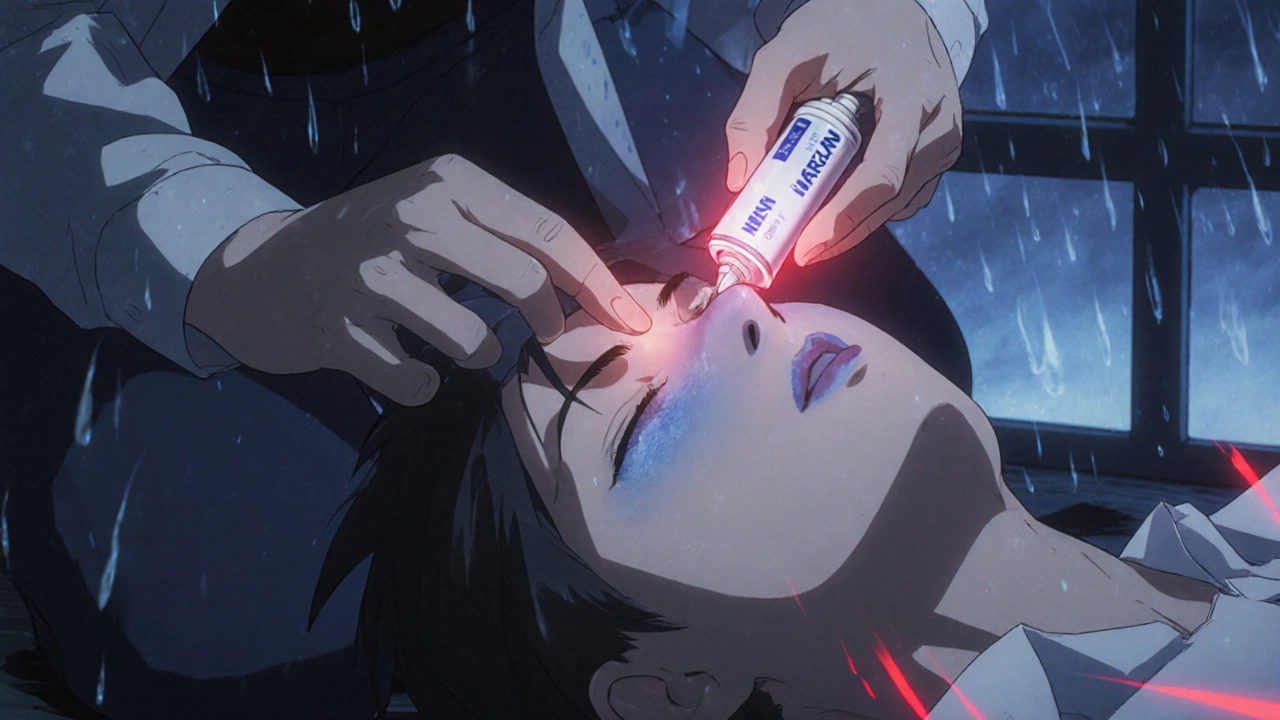 14 Nov
How to Use Naloxone Nasal Spray for Opioid Overdose: Step-by-Step Guide
Learn how to use naloxone nasal spray to reverse an opioid overdose in under 5 minutes. Step-by-step guide for bystanders, families, and community members-no medical training required.
Read More...POPULAR POSTS