

Why Generic Medications Need Better Adherence Tracking
Generic drugs make up 90% of all prescriptions in the U.S., but nearly half of patients stop taking them within a year. That’s not because they don’t work-it’s because people forget, get overwhelmed, or don’t see immediate results. Unlike brand-name drugs, generics rarely come with support programs. No free apps, no nurse check-ins, no reminders built into the bottle. That’s where digital adherence tracking steps in.
For chronic conditions like high blood pressure, diabetes, or asthma, missing even a few doses can send someone back to the ER. And it’s expensive: medication non-adherence costs the U.S. healthcare system $300 billion every year. Most of that comes from generic meds, because they’re used longest and most often. But until recently, no one had a practical way to track whether patients were actually taking them.
How Digital Tools Actually Work
Digital adherence tools aren’t just smartphone alarms. They’re hardware and software systems designed to prove, not guess, whether a pill was taken. Here’s how the main types function:
- Smart pill bottles like MEMS AS use electronic caps that record each time the bottle is opened. The data syncs to the cloud and flags missed doses. Used in clinical trials, it’s considered the gold standard for accuracy.
- Smart pillboxes like Tenovi have built-in lights and cellular connections. Red light? Missed dose. Green light? Taken. It sends alerts to both the patient and their pharmacist.
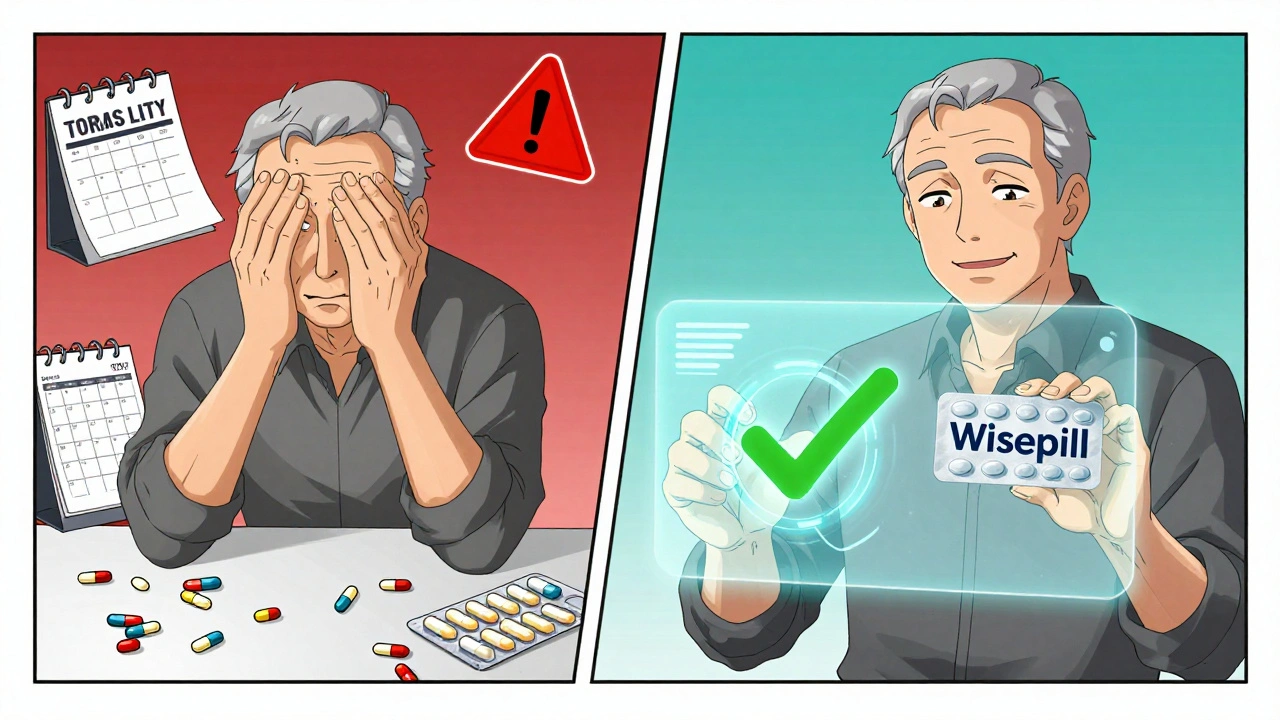
- Electronic blister packs from Wisepill track each blister being pushed out. If the patient doesn’t remove a pill on schedule, the system knows.
- Video monitoring (like VDOT) lets patients record themselves taking medication. It’s accurate but invasive-many quit after a few weeks.
- Pharmacy dashboards like McKesson APS don’t track actual intake. They watch refill patterns. If you refill your blood pressure med two weeks early, the system flags you as possibly non-adherent. But it can’t tell if you took it or just hoarded pills.
Most of these require a smartphone (iOS 12+ or Android 8+), Wi-Fi or cellular, and connect to major electronic health records like Epic and Cerner. No more calling the pharmacy to ask if someone’s refilled their meds. The system just knows.
Real-World Results: Do These Tools Actually Help?
Yes-but not for everyone.
One study found that patients using Tenovi’s pillbox for heart failure meds improved adherence by 28% compared to phone reminders alone. Another showed video monitoring boosted asthma medication use by 15% during the pandemic. For people on five or more medications, combining a smart device with a 3-minute chat from their pharmacist led to a 35% better outcome.
But here’s the catch: tools that work in trials often fail in real life. A pilot with Med-eMonitor saw 64% of patients still using it after 30 days. By day 60, only 45% kept going. Why? The device was bulky. Charging was a hassle. Some users said it felt like being watched.
Even the most accurate tool-MEMS AS-was built for clinical research, not daily use. It’s expensive, complex, and doesn’t nudge patients. It just logs data. That’s fine for drug companies testing new generics. Not so great for a 72-year-old with arthritis trying to remember if they took their pill.
Costs, Access, and Who Can Afford It
Price is the biggest barrier. A Tenovi pillbox costs $149 upfront, plus $30 a month for cellular service. That’s more than some people pay for their generic meds. McKesson’s pharmacy dashboard runs $99-$299 a month, depending on size. Most insurance plans don’t cover these devices.
Only 38% of Medicare Advantage plans pay for remote therapeutic monitoring as of late 2022. Independent pharmacies? Just 18% use any digital tracking. Chain pharmacies? 67%. The gap is widening.
And yet, the ROI is clear. Every dollar spent on adherence tools for cardiovascular generics saves $7.20 in hospital visits and emergency care. CMS now ties Medicare Star Ratings to adherence rates for diabetes and hypertension generics. A 1-point increase in adherence can bring a pharmacy an extra $1.2 million in revenue per 100,000 members. That’s why big players are investing. Small ones? They’re still waiting.
What Works Best for Real People
Not every patient needs a smart pillbox. The best tool depends on the person:
- For seniors with simple regimens: A basic pill organizer with alarms built into the phone works fine. No tech needed.
- For those on 4+ meds: Tenovi or Wisepill’s blister packs reduce confusion. Color-coded LEDs help. One user said, “I used to mix up my pills. Now I know which one’s which just by the light.”
- For patients with mental health conditions or cognitive decline: Video monitoring or caregiver alerts work best. But only if someone’s willing to help them.
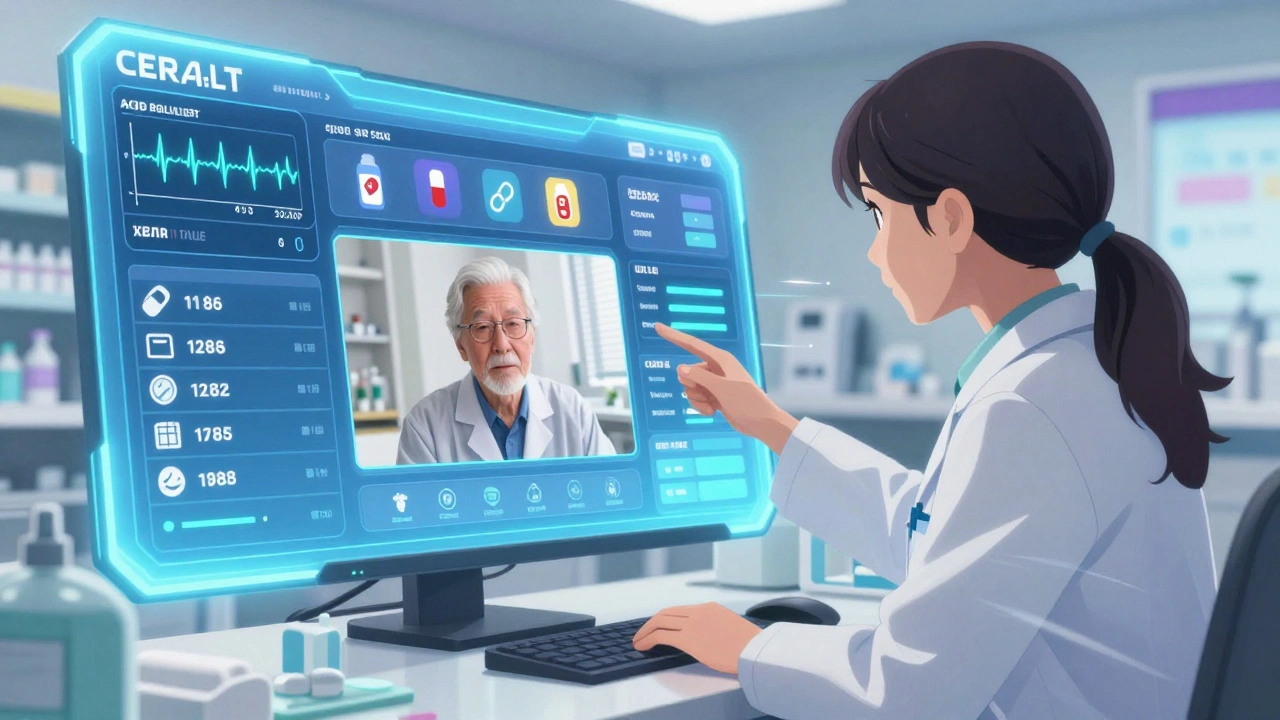
- For pharmacies serving high-risk populations: McKesson APS or similar dashboards flag refill gaps early. Then a pharmacist calls. That human touch matters.
The key isn’t the tech-it’s matching the tool to the person. A 25-year-old with asthma might prefer an app. A 78-year-old with three chronic conditions needs something that doesn’t require typing passwords or syncing Bluetooth.
Biggest Problems Nobody Talks About
There are 2,000+ medication adherence apps out there. Only seven meet basic quality standards, according to a major study. Most don’t explain how your data is used. Some sell it. Others don’t work after a phone update.
Privacy is a silent dealbreaker. A 2022 survey found 63% of patients worry their adherence data could be used against them-by insurers, employers, or even family members. No one wants to be labeled “non-compliant” in a digital file.
And then there’s the workload for pharmacies. One pharmacist on Reddit said his pharmacy’s adherence dashboard improved rates from 62% to 78%-but only after hiring a full-time technician to manage it. That’s not scalable for small operations.
What’s Next for Generic Medication Tracking
The future isn’t more gadgets. It’s smarter data.
CVS Health is testing AI that looks at refill patterns, lab results, and even weather data to predict who’s likely to skip their meds. If the system flags someone, a pharmacist reaches out before they miss a dose. Early results show a 22% improvement in identifying at-risk patients.
The FDA is also drafting new rules to standardize how adherence tools are tested. Right now, every company uses its own metrics. That makes comparisons impossible. Standardization could finally let pharmacies pick the best tool, not just the loudest one.
By 2025, experts predict only 3-5 major platforms will survive. They’ll be built into pharmacy benefit managers’ systems, not sold as standalone devices. That means seamless integration-no extra hardware, no monthly fees. Just better data flowing from the pharmacy to the patient’s chart.
What You Can Do Today
If you’re a patient:
- Ask your pharmacist: “Do you have a way to track if I’m taking my meds?”
- Try a free app first-like Medisafe or MyTherapy-before spending money.
- If you’re on multiple meds, ask about simple pill organizers with alarms.
If you’re a pharmacist or pharmacy owner:
- Start with a dashboard like McKesson APS. It needs no hardware.
- Train staff to ask one question at pickup: “Do you ever forget your meds?”
- Focus on high-risk patients first-those on five or more drugs, or with recent ER visits.
Adherence isn’t about technology. It’s about connection. The best tool is the one that helps someone feel supported, not monitored.
Frequently Asked Questions
Do digital adherence tools really improve generic medication use?
Yes, but only when matched to the right patient. Studies show tools like Tenovi and MEMS AS can improve adherence by 20-30% in chronic conditions like hypertension and heart failure. But simpler tools like phone alarms work just as well for people with basic regimens. The key is matching the tool to the person’s lifestyle-not forcing tech on everyone.
Are these tools covered by insurance?
Most aren’t. Only 38% of Medicare Advantage plans cover remote therapeutic monitoring for adherence as of late 2022. Private insurers vary widely. Smart pillboxes like Tenovi typically cost $149 plus $30/month-out of pocket. Pharmacy dashboards like McKesson APS are billed to the pharmacy, not the patient, but many small pharmacies can’t afford them.
What’s the difference between refill tracking and actual adherence tracking?
Refill tracking only shows when a prescription was picked up. It can’t tell if the pills were taken. Someone might refill early because they’re stockpiling-or because they’re not taking them at all. Actual adherence tools, like smart bottles or blister packs, record each dose taken. That’s why refill data alone has a 15-20% error rate.
Can digital tools help with mental health medications?
They can, but with limits. Antidepressants and antipsychotics often require consistent dosing, and missing doses can trigger relapses. Video monitoring (VDOT) has shown good results in clinical settings. But many patients resist being recorded. Simpler tools-like daily check-ins via app or automated calls-work better for long-term use. The goal isn’t surveillance; it’s gentle reminders and support.
Why don’t more pharmacies use these tools?
Cost and complexity. Many tools require staff training, new software, or hardware. Independent pharmacies, which make up 40% of U.S. pharmacies, often lack the budget or staff. Chain pharmacies have more resources, so adoption is higher there. But even big chains struggle with data overload. The real bottleneck isn’t the tech-it’s the workflow. If the pharmacist doesn’t have time to act on the data, the tool becomes useless.




Mayur Panchamia
December 7, 2025 AT 11:04