
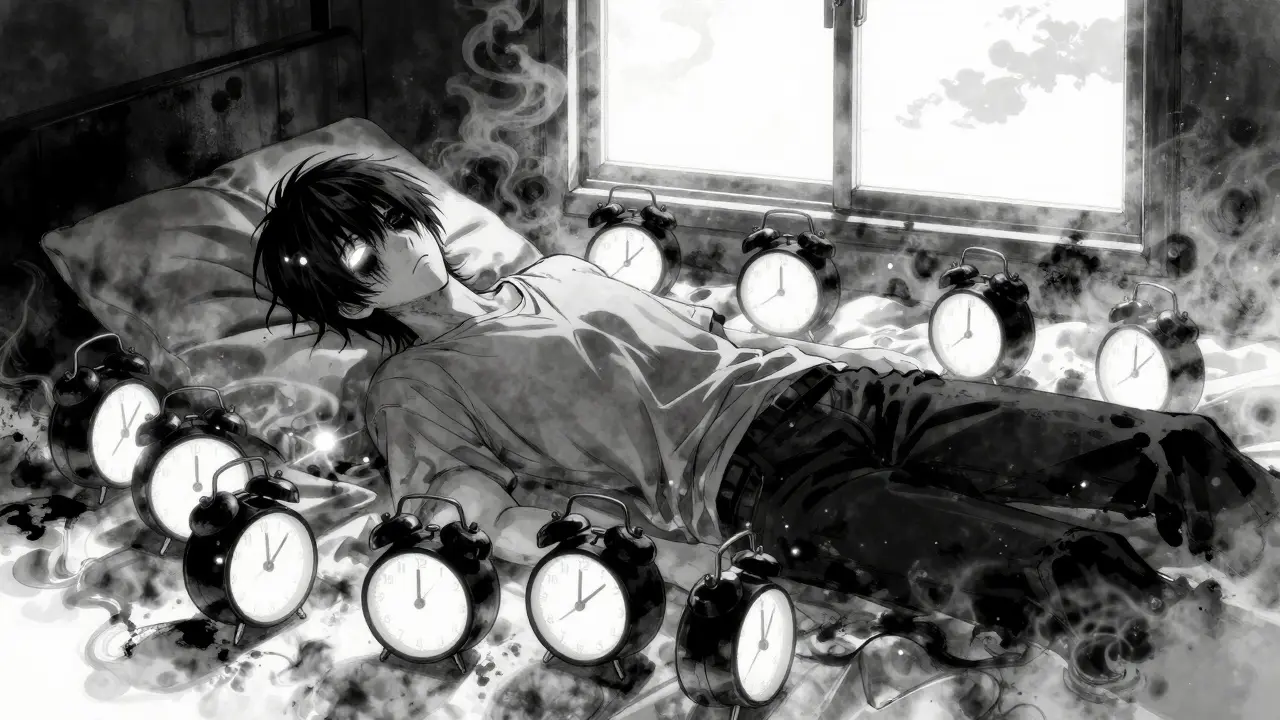
Idiopathic hypersomnia isn't just feeling tired. It's waking up after 12 hours of sleep and still feeling like you haven't slept at all. It's setting 10 alarms and still missing work. It's sitting in a meeting, nodding off, and not remembering a single thing said. Unlike normal fatigue, this isn't fixed by coffee, naps, or a good night's rest. It's a neurological disorder that hijacks your wakefulness, and for tens of thousands of people in the U.S. alone, it's a daily battle with no easy fix.
What Makes Idiopathic Hypersomnia Different?
People with idiopathic hypersomnia (IH) sleep a lot-often 10 to 14 hours a night-and still feel exhausted. They take long naps, sometimes over an hour, and wake up feeling worse, not better. This isn't laziness. It's not depression. It's not burnout. It's a real, measurable brain dysfunction.
The key difference between IH and other sleep disorders like narcolepsy? No cataplexy. No sudden muscle weakness triggered by laughter or surprise. No vivid hallucinations when falling asleep. No brief, refreshing power naps. IH patients get long, unrefreshing sleep, and their brain just won't stay awake.
Doctors use the Multiple Sleep Latency Test (MSLT) to measure how fast someone falls asleep during the day. Narcolepsy patients usually fall asleep in under 8 minutes and enter REM sleep quickly. IH patients also fall asleep fast-but they don't enter REM sleep early. Their brain is stuck in deep sleep mode, not switching gears properly. This is why standard narcolepsy tests often miss IH.
Why Do People With IH Feel So Bad?
It's not just sleepiness. It's sleep inertia-a term that sounds clinical but feels like being trapped in quicksand. Imagine waking up and not knowing where you are. Your limbs feel heavy. Your thoughts are foggy. You can't form a sentence. This can last for 30 minutes… or three hours. One study found 66% of IH patients experience this severe form of sleep drunkenness.
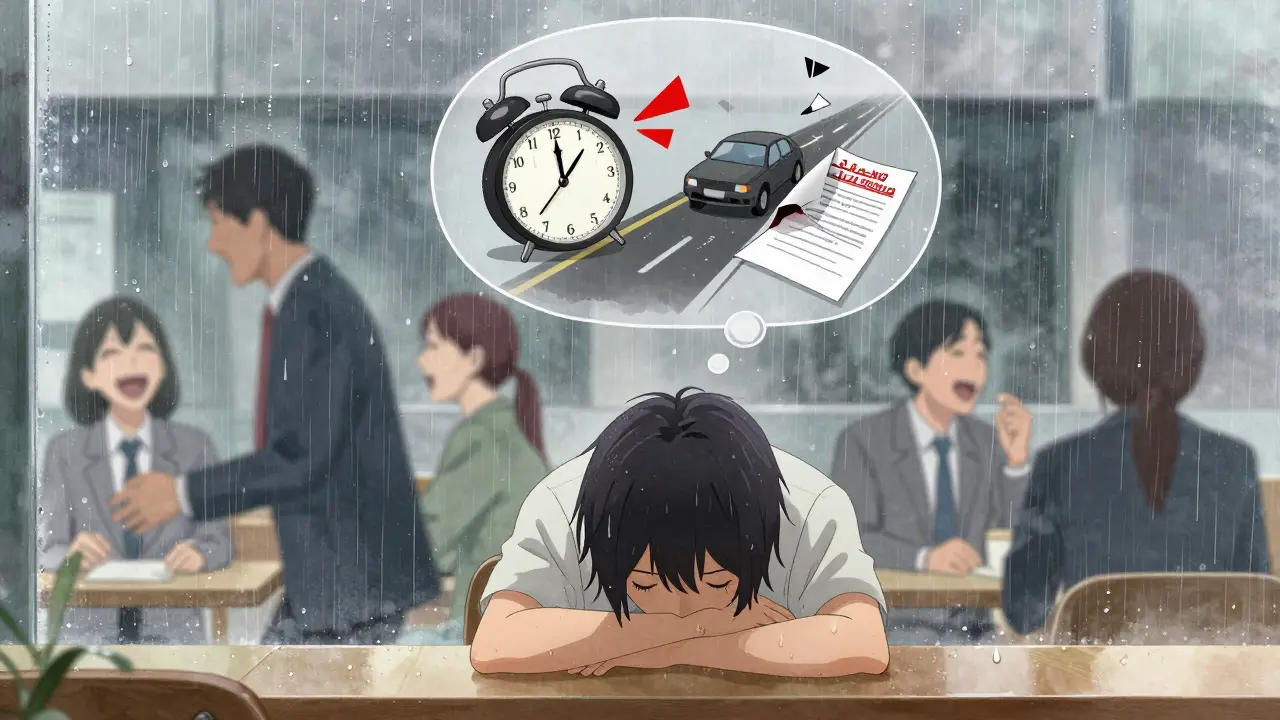
That fog isn't just annoying-it's dangerous. People forget to turn off the stove. They drive while half-asleep. A 2022 survey found 22% of IH patients had been in a car accident because of sleepiness. Another 78% had near-misses. The brain isn't just tired-it's malfunctioning.
There's also cognitive impairment. Memory lapses. Trouble focusing. Losing track of conversations. These aren't temporary. They're constant. Many patients report losing jobs, dropping out of school, or canceling plans because they can't stay alert. One Reddit user, SleepyEngineer89, wrote: 'I set 17 alarms to wake up for work and still overslept 3 times in 2 months, costing me a promotion.' That’s not exaggeration. That’s reality.
What’s Going On in the Brain?
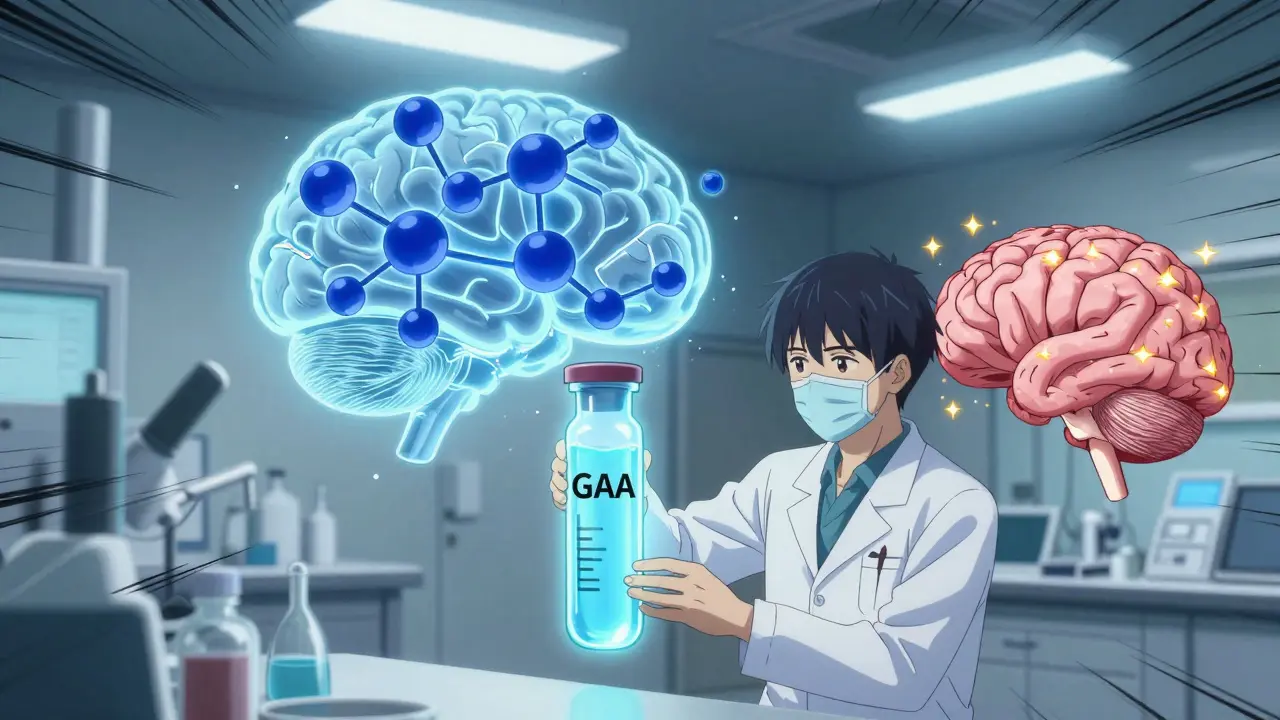
Researchers aren't sure why IH happens-but they're getting closer. One major clue: a substance in the cerebrospinal fluid of about half of IH patients boosts GABA-A receptors. GABA is a chemical that calms the brain. Too much of it? You fall into deep, unbreakable sleep.
Another theory points to low histamine. Histamine keeps you awake. If your brain isn’t making enough, or if your receptors aren’t responding, wakefulness fails. Some patients also show problems with orexin, a brain chemical that helps regulate sleep-wake cycles. Without enough orexin signaling, your brain can’t stay alert.
These aren't random guesses. They come from lab tests on spinal fluid, brain imaging, and genetic studies. IH is a neurological disease-not a lifestyle issue. That’s why sleep hygiene tips like 'avoid caffeine after noon' or 'go to bed earlier' don’t fix it.
Why Diagnosis Takes So Long
The average time from first symptom to correct diagnosis? Over eight years. Eight years of being told you're lazy, depressed, or just stressed. Patients see an average of 4.7 doctors before someone recognizes IH.
Why? Because most doctors don’t know it exists. Many think excessive sleepiness equals depression. Others assume it’s sleep apnea. But IH patients don’t snore. They don’t wake up gasping. Their sleep studies look normal-except they sleep too long.
Diagnosis requires two key tests: an overnight polysomnography (PSG) to rule out other sleep disorders, and the MSLT to measure daytime sleepiness. The International Classification of Sleep Disorders (ICSD-3) requires symptoms to last at least three months, with no other medical or psychiatric cause.
Even then, it’s tricky. Some patients have normal MSLT results. Others have long sleep times but don’t meet all criteria. That’s why specialist sleep centers are critical. General practitioners rarely have the tools-or the experience-to spot it.
Current Treatments: What Actually Works
There’s no cure for IH-but there are treatments that help. And they’re not one-size-fits-all.
The only FDA-approved drug specifically for IH is Xywav (calcium, magnesium, potassium, and sodium oxybate). Approved in 2021, it’s a liquid taken at night. In clinical trials, patients saw a 63% drop in sleepiness scores. It works by stabilizing sleep cycles and reducing nighttime awakenings. But it’s expensive. Insurance often denies it. Patients frequently need to appeal twice before approval.
Other options include:
- Modafinil or armodafinil: Stimulants that help about 42% of patients. Side effects? Anxiety, headaches, nausea. Some need higher doses over time.
- Pitolisant: A newer drug that boosts histamine. Early studies show a 47% response rate. It’s approved for narcolepsy but used off-label for IH.
- Stimulants like methylphenidate: Used in some cases, but risk of dependence and high blood pressure.
Not everyone responds to meds. And side effects are common. One PatientsLikeMe survey found 31% of IH patients had severe side effects from stimulants. That’s why non-drug approaches matter.
Non-Drug Strategies That Help
Medication alone isn’t enough. Real improvement comes from combining drugs with behavioral changes.
Cognitive Behavioral Therapy for Hypersomnia (CBT-H) is gaining traction. Developed by Dr. Kiran Maski at Boston Children’s Hospital, it’s not the same as CBT for insomnia. It teaches patients to manage sleep inertia, plan strategic naps, and reframe thoughts like 'I’m lazy' into 'My brain is sick.' In a 2020 study, 45% of patients improved significantly after 12 weeks.
The Hypersomnia Foundation’s 12-week CBT-H program has a 72% completion rate. Of those who finished, 58% saw real improvements in daily function. That’s not magic. It’s training your brain to work around the disorder.
Other helpful habits:
- Strict sleep schedule: Go to bed and wake up at the same time-even on weekends. Irregular sleep worsens sleep inertia.
- Strategic caffeine: One cup in the morning. No more after noon. Late caffeine disrupts nighttime sleep and makes morning grogginess worse.
- Light exposure: Get bright light (natural or artificial) within 30 minutes of waking. This helps reset your internal clock.
- Safety planning: Avoid driving if you’re not fully alert. Use ride-shares. Tell employers you need accommodations. You’re not asking for special treatment-you’re asking to stay alive.
The Future of IH Treatment
The field is moving fast. In 2023, researchers identified a biomarker pattern in spinal fluid that correctly diagnosed 89% of IH cases. That could mean a simple spinal tap replaces months of testing.
Five new drugs targeting GABA-A receptors are in Phase 2 trials. A histamine H3 antagonist called pitolisant is being tested specifically for IH. Orexin replacement therapy is still in preclinical stages-but if it works, it could be a game-changer.
The FDA is also pushing for better tools. The Idiopathic Hypersomnia Severity Scale (IHSS) and the Johns Hopkins Sleep Endoscopy Questionnaire (JHSEQ) are now standard in clinical trials. That means future treatments will be measured by real-life impact-not just sleepiness scores.
NIH funding for hypersomnia research jumped from $1.2 million in 2018 to $8.7 million in 2023. That’s a 625% increase. More funding means more answers.
Living With IH: The Emotional Toll
One of the most overlooked parts of IH? The loneliness. The shame. The grief.
A 2021 survey found 74% of IH patients met clinical criteria for depression. That’s not because they’re sad-they’re exhausted. Their brain is broken. Their body won’t let them function. They’ve lost jobs. Friends stopped calling. Partners left. The isolation is crushing.
Support groups like r/hypersomnia on Reddit (with over 8,400 members) aren’t just forums. They’re lifelines. People share alarm clock hacks. Insurance appeal templates. Stories of getting fired for sleeping at work. They validate what doctors often dismiss.
It’s not just about treatment. It’s about being seen.
What to Do If You Think You Have IH
If you’ve been tired for months-even after sleeping 10+ hours-and nothing helps:
- Track your sleep for two weeks. Note bedtime, wake time, nap length, and how you feel after waking.
- See a sleep specialist-not a general doctor. Find one through the American Academy of Sleep Medicine.
- Ask for a polysomnogram and MSLT. Don’t accept 'it’s just stress' as an answer.
- Bring printouts of your symptoms. Use the term 'idiopathic hypersomnia.' Most doctors won’t know it.
- Join a support group. You’re not alone.
It’s not a phase. It’s not laziness. It’s a real neurological disorder. And it’s treatable-with the right diagnosis, the right team, and the right hope.
Is idiopathic hypersomnia the same as narcolepsy?
No. Both cause excessive daytime sleepiness, but narcolepsy includes cataplexy (sudden muscle weakness), sleep attacks, and REM sleep abnormalities. IH patients don’t have cataplexy, and their naps are long and unrefreshing. Narcolepsy patients often have short, refreshing naps. Diagnostic tests like the MSLT show different patterns.
Can you grow out of idiopathic hypersomnia?
Rarely. IH usually starts in adolescence or early adulthood and persists for life. Some patients report mild improvement over decades, but most continue to need treatment. It’s a chronic condition, not something you outgrow.
Why don’t stimulants work well for everyone with IH?
Because IH isn’t caused by low alertness alone-it’s caused by brain chemistry that pushes you into deep sleep. Stimulants like modafinil boost wakefulness signals, but if your brain is flooded with sleep-promoting chemicals like GABA, they can’t fully override it. That’s why drugs like Xywav, which target the root cause, are more effective.
Is idiopathic hypersomnia genetic?
There’s no single gene for IH, but research suggests a possible genetic link. Some families report multiple members with the disorder, and studies are looking at variations in orexin and GABA-related genes. It’s likely a combination of genetic susceptibility and unknown environmental triggers.
Can IH be misdiagnosed as depression?
Yes-often. Fatigue, low energy, trouble concentrating, and social withdrawal are symptoms of both. Many IH patients are prescribed antidepressants for years before someone considers a sleep disorder. If you’ve been on antidepressants with no improvement and still feel exhausted despite sleeping enough, ask for a sleep evaluation.
How can I get insurance to cover Xywav?
Start with a letter from your sleep specialist explaining medical necessity. Include your MSLT results and symptom logs. If denied, appeal with patient testimonials and clinical guidelines from the American Academy of Sleep Medicine. Many patients need two or three appeals before approval. Patient advocacy groups like the Hypersomnia Foundation offer templates and support.







Virginia Seitz
December 18, 2025 AT 06:15