Voriconazole for Candida Infections: Dosage, Side Effects, and When It’s Used
November 3 2025
Tobacco Smoke: Health Risks, Chemicals, and What You Need to Know
When you light up a cigarette, you're not just inhaling smoke—you're breathing in a toxic mix of more than 7,000 chemicals, including at least 70 known to cause cancer. This is tobacco smoke, the complex aerosol produced when tobacco is burned, containing gases, particulates, and toxic compounds that damage nearly every organ in the body. Also known as cigarette smoke, it’s the leading preventable cause of death in the U.S. and affects not just smokers, but everyone nearby. Whether you're a smoker, live with one, or work in a place where smoking is allowed, you're exposed to this dangerous substance every day.
Inside tobacco smoke, you’ll find nicotine, a highly addictive stimulant that rewires the brain’s reward system, making quitting extremely difficult, and tar, a sticky, black residue that coats the lungs and traps cancer-causing particles. Then there’s secondhand smoke, the combination of smoke from the burning end of a cigarette and the smoke exhaled by the smoker, which lingers in the air and can be just as harmful as direct inhalation. Kids exposed to it are more likely to develop asthma, ear infections, and sudden infant death syndrome. Adults face higher risks of heart disease, stroke, and lung cancer—even if they’ve never smoked a single cigarette.
It’s not just about lung damage. Tobacco smoke tightens blood vessels, raises blood pressure, and increases the chance of blood clots. It weakens the immune system, making infections harder to fight. It even affects how your body absorbs and reacts to medications. If you’re on blood pressure drugs, diabetes meds, or even antibiotics, tobacco smoke can make them less effective—or more dangerous. Studies show that smokers often need higher doses of certain medications just to get the same results as non-smokers.
What’s surprising is how little most people know about what’s actually in that smoke. It’s not just nicotine and tar. It includes formaldehyde, arsenic, benzene, and carbon monoxide—substances you’d never want in your home, let alone in your lungs. And while filters and "light" cigarettes sound safer, they don’t reduce the risk. Smokers compensate by inhaling deeper or smoking more. The truth is simple: no level of tobacco smoke is safe.
If you're trying to quit, or if you're worried about someone who smokes, understanding what tobacco smoke really is—and what it does—is the first step. The posts below cover everything from how it affects medication effectiveness to how it changes your sense of smell, why it makes chronic conditions worse, and what steps you can take to protect yourself and your family. You’ll find real advice, backed by science, not guesses or myths. This isn’t about scare tactics. It’s about knowing the facts so you can make better choices—for your health, your medicine, and your life.
 4 Dec
4 Dec
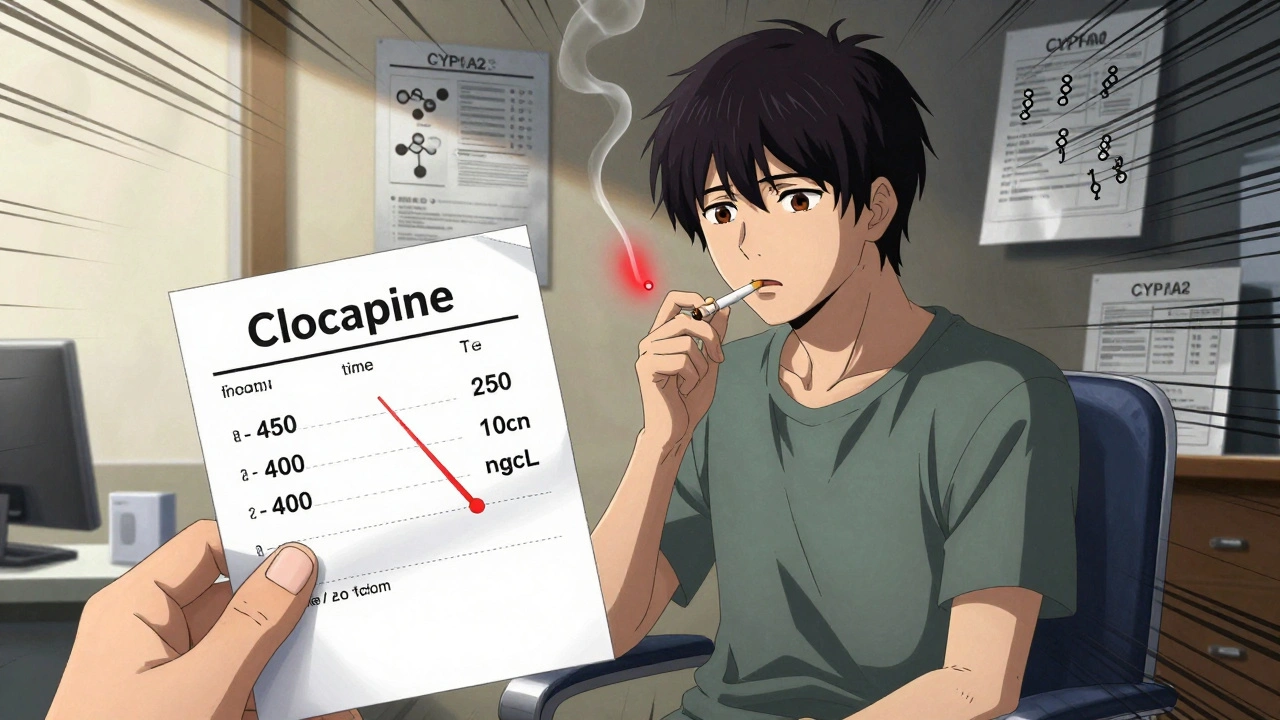
Clozapine and Tobacco Smoke: How Smoking Lowers Clozapine Levels and What to Do About It
Smoking can slash clozapine levels by up to 50%, risking treatment failure or dangerous toxicity. Learn how tobacco smoke affects this critical antipsychotic and what steps to take if you smoke-or quit.
Read More...POPULAR POSTS

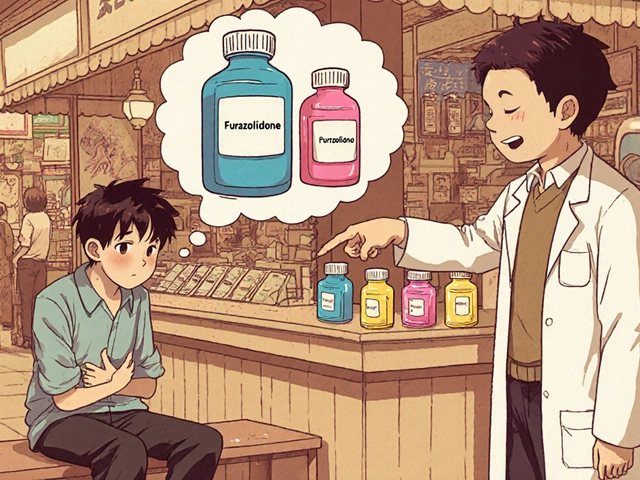
Furazolidone vs Alternatives: Which Antibiotic Is Right for You?
October 19 2025
Top Alternatives to MapleLeafMeds.com: Explore Your Options
February 24 2025