

Digoxin generics are generic versions of the heart medication digoxin, used to treat heart failure and atrial fibrillation. Digoxin generics have a narrow therapeutic index, meaning the difference between a therapeutic dose and a toxic one is very small. A small change in how your body absorbs this drug can mean the difference between recovery and serious harm. This makes them uniquely risky compared to most other medications.
Imagine you're taking digoxin for your heart condition. You switch to a different generic version because it's cheaper or your pharmacy has it in stock. Suddenly, you feel nauseous, your vision gets blurry, or your heart starts racing. These symptoms aren't random-they could be signs of digoxin toxicity caused by a sudden spike in blood levels. On the flip side, if your levels drop too low, your heart condition could worsen. This isn't just theoretical; real patients have faced these dangers when switching between generic digoxin products.
Why Digoxin Is Different From Other Medications
Digoxin belongs to a class of drugs called cardiac glycosides. It works by strengthening heart contractions and controlling heart rate in conditions like heart failure and atrial fibrillation. But its effectiveness depends entirely on maintaining precise blood levels. The therapeutic range is narrow: 0.5 to 2.0 nanograms per milliliter (ng/mL). Levels below 0.5 ng/mL often don't help, while levels above 2.0 ng/mL can cause dangerous side effects. For comparison, most medications have a wider safety margin-like aspirin, where the difference between a therapeutic dose and a toxic one is much larger.
Here's the kicker: digoxin's narrow therapeutic index means even small changes in how your body absorbs the drug can push you out of the safe zone. This is why bioavailability-how much of the drug actually enters your bloodstream-matters so much for digoxin generics.
Why Bioavailability Matters for Digoxin Generics
The FDA requires generic digoxin products to meet strict bioequivalence standards. To be approved, each generic must show that its absorption (measured by AUC and Cmax) falls within 80-125% of the brand-name drug (Lanoxin). This means that on average, the generic should perform similarly to the brand. But here's where things get tricky: these standards are based on group averages, not individual responses.
For example, a study published in the Journal of Immunoassay and Immunochemistry tested a generic called Cardixin against Lanoxin in 12 healthy volunteers. The results showed the average bioavailability was within acceptable limits. However, some individuals had absorption rates as low as 45% for that specific generic. While the average was safe, the variation between people meant some could experience toxicity or underdosing.
This variation becomes a bigger issue when switching between different generic manufacturers. The FDA's Orange Book lists three generic digoxin products with an 'AB' code, indicating they meet bioequivalence standards. But there's no requirement for bioequivalence studies between different generic brands. A 2022 review in the International Journal of Pharmaceutical Research found that switching between generics can cause serum concentration changes exceeding 25%-enough to trigger symptoms in sensitive patients.
| Parameter | Acceptable Range | Real-World Variation |
|---|---|---|
| AUC(0-12) | 80-125% | Up to 25% change between different generic brands |
| Cmax | 80-125% | Individual responses vary significantly |
Even if a single generic meets FDA standards, switching between different manufacturers introduces new variables. Elderly patients, who often have reduced kidney function, are especially vulnerable. Their bodies clear digoxin more slowly, so even small absorption changes can accumulate to dangerous levels.
How to Monitor Digoxin Levels Safely
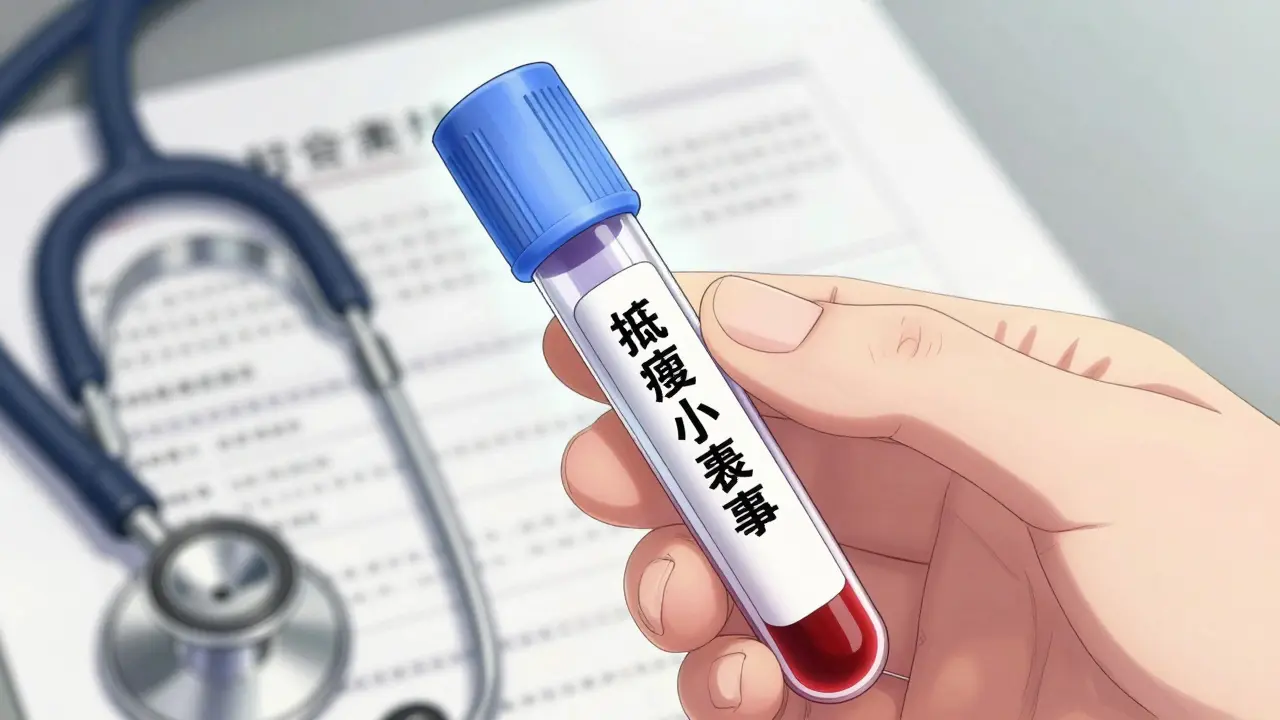
Because of these risks, regular blood tests are non-negotiable for digoxin users. The American College of Clinical Pharmacy recommends measuring serum digoxin concentrations at trough levels-just before your next dose-when the drug concentration is lowest. This gives the most accurate picture of your body's exposure to the medication.
Here's when to check your levels:
- Before starting digoxin therapy (to establish a baseline)
- 3-5 days after starting or changing dose
- Immediately after switching between different generic brands
- Whenever you experience symptoms like nausea, vomiting, or irregular heartbeat
- Regularly if you have kidney problems or take other medications that interact with digoxin
Newer research suggests that for heart failure patients, the optimal therapeutic range may be even lower-0.5 to 0.9 ng/mL. Higher levels in this group have been linked to increased mortality risk. This means monitoring isn't just about avoiding toxicity; it's about finding the safest dose for your specific condition.
Remember: digoxin elixir (liquid form) has higher bioavailability (70-85% of intravenous dose) compared to tablets. If you're prescribed the liquid form, your absorption may be more consistent. But regardless of formulation, regular monitoring is essential.

What to Do If You Need to Switch Generics
If your doctor or pharmacist suggests switching to a different generic digoxin product, don't panic-but do take action. Here's what to do:
- Ask your doctor to check your current serum digoxin level before switching.
- Request a follow-up test 3-5 days after the switch to monitor for changes.
- Keep a symptom diary: note any new nausea, vision changes, or heart palpitations.
- Never switch brands without consulting your healthcare provider first.
- Consider asking for a specific generic manufacturer if your current one is working well for you.
The American Heart Association's 2021 guidelines explicitly advise "consistent use of the same manufacturer's product when possible" for NTI drugs like digoxin. This is because even small differences between generics can have real consequences. If you've been stable on one brand, changing to another without monitoring is a gamble with your health.
Signs to Watch For: Toxicity vs. Underdosing
Knowing the symptoms of digoxin problems can save your life. Here's what to look out for:
- Toxicity (too much digoxin): Nausea, vomiting, diarrhea, confusion, yellow-green vision, irregular heartbeat, or severe fatigue.
- Underdosing (too little digoxin): Worsening heart failure symptoms (shortness of breath, swelling in legs), increased heart rate in atrial fibrillation, or feeling unusually tired.
These symptoms often develop gradually. If you notice any changes, contact your doctor immediately. Don't wait for a scheduled appointment-digoxin toxicity can become life-threatening quickly.
Can I safely switch between different generic digoxin brands?
Switching between different generic digoxin brands isn't recommended without medical supervision. Even though each generic meets FDA bioequivalence standards, studies show that switching between manufacturers can cause serum concentration changes exceeding 25%. This can lead to toxicity or treatment failure. Always consult your doctor before changing manufacturers.
How often should I check my digoxin levels?
You should check your digoxin levels at least once when starting therapy, after any dose change, and immediately after switching between different generic brands. For stable patients, levels should be monitored every 3-6 months or whenever kidney function changes. If you have other health issues or take interacting medications, your doctor may recommend more frequent testing.
Is there a difference between digoxin tablets and elixir?
Yes. Digoxin elixir (liquid form) has higher bioavailability (70-85% of intravenous dose) compared to tablets, which absorb about 60-80% of the dose. This means the liquid form may provide more consistent blood levels, but both require careful monitoring. Always use the same formulation unless your doctor advises otherwise.
Why do some people experience toxicity even with normal blood levels?
Digoxin toxicity isn't always reflected in blood tests alone. Factors like kidney function, electrolyte imbalances (especially low potassium), and interactions with other medications can increase toxicity risk even when levels appear normal. Always report symptoms to your doctor-blood tests are just one part of the picture.
What should I do if I miss a dose of digoxin?
Never double up on missed doses. If you miss a dose, take it as soon as you remember-but only if it's within 12 hours of the scheduled time. If it's been longer, skip the missed dose and continue with your next scheduled dose. Always consult your doctor for personalized advice, as missing doses can affect blood levels significantly.






Lakisha Sarbah
February 6, 2026 AT 08:39