
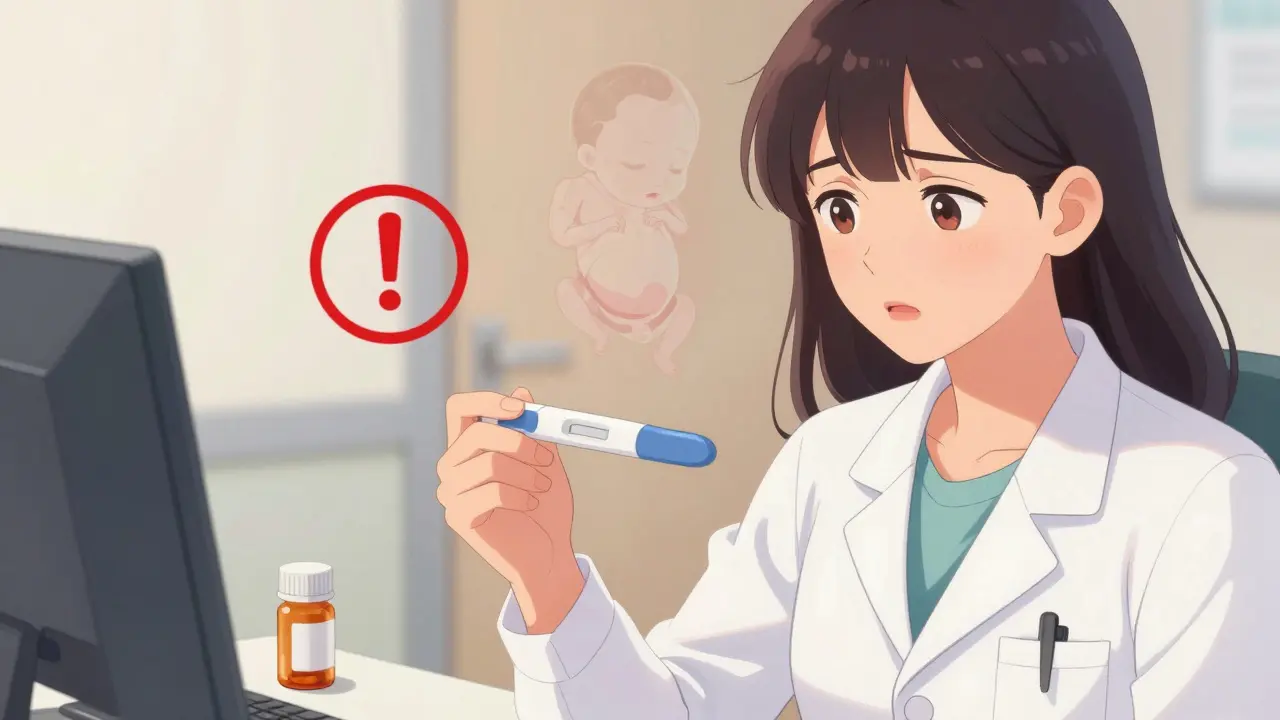
Did you know that 4 to 5% of birth defects are linked to medications taken during pregnancy? That might sound scary, but the good news is most birth defects happen for other reasons. Still, knowing which medications to avoid can make a big difference for your baby’s health. This article breaks down exactly which drugs to steer clear of during pregnancy, their teratogenic risks, and safer options you can discuss with your doctor.
What Are Teratogens?
Teratogens are substances that can cause structural or functional abnormalities in a developing fetus. The term comes from the Greek word 'teras,' meaning monster, and became widely known after the thalidomide tragedy in the late 1950s and early 1960s. Thousands of infants were born with severe limb deformities after their mothers took thalidomide for morning sickness. Today, we know that teratogens include certain medications, chemicals, and infections. The Centers for Disease Control and Prevention (CDC) states that exposure to teratogens accounts for 4% to 5% of congenital disorders. While this percentage might seem small, understanding which medications pose risks is vital for a healthy pregnancy.
When Risks Are Highest During Pregnancy
Not all pregnancy stages carry the same risks. The embryonic period (weeks 3-8) is when major birth defects like heart problems or missing limbs most often occur. This is because your baby’s organs are forming during this time. After week 9, the fetal period begins, where risks shift to issues like growth delays or brain function problems. The American College of Obstetricians and Gynecologists (ACOG) confirms that exposure during the first trimester carries the highest risk for structural defects. This is why planning medication use before conception matters so much.

Top Medications to Avoid During Pregnancy
| Medication | Risks | Safer Alternative |
|---|---|---|
| Isotretinoin (Accutane) | Severe brain, heart, and facial deformities; miscarriage risk | Benzoyl peroxide or azelaic acid for acne |
| Warfarin | Bleeding, bone deformities, stillbirth | Low-molecular-weight heparin (LMWH) |
| Tetracyclines | Yellow teeth, weakened bones | Penicillin or cephalosporins for infections |
| NSAIDs (ibuprofen, naproxen) | Miscarriage risk early on; heart problems after 20 weeks | Acetaminophen (Tylenol) |
| Sulfamethoxazole/trimethoprim | Neural tube defects, kernicterus after 32 weeks | Amoxicillin for urinary tract infections |
For example, the iPLEDGE Program for isotretinoin requires strict pregnancy prevention measures, yet 67 pregnancies still occurred in 2022 despite these safeguards. Warfarin use during pregnancy increases miscarriage risk by 25%, while low-molecular-weight heparin is safe for blood clotting issues. Even common painkillers like ibuprofen can cause serious problems-taking them after 20 weeks may lead to reduced amniotic fluid or heart defects in your baby.
Safe Alternatives for Common Conditions
Many everyday health issues have pregnancy-safe solutions. For pain relief, acetaminophen (Tylenol) is the go-to choice across all trimesters. The American Academy of Family Physicians confirms it’s safe when used as directed. For allergies, second-generation antihistamines like loratadine (Claritin) or cetirizine (Zyrtec) are preferred over older options like diphenhydramine. If you need antibiotics for a urinary tract infection, amoxicillin is safer than sulfamethoxazole/trimethoprim. For blood thinning needs during pregnancy, low-molecular-weight heparin (LMWH) is the standard alternative to warfarin. Always consult your doctor before switching medications, even over-the-counter ones.

Practical Steps for Safe Medication Use
Here’s what to do right now:
- Review all medications before conception: The CDC recommends seeing your doctor 3-6 months before trying to get pregnant. A 2023 JAMA study found 72% of teratogenic exposures happened before prenatal care began.
- Never stop chronic meds abruptly: Stopping seizure medications suddenly can cause more harm than continuing them. For example, uncontrolled epilepsy increases fetal injury risk by 10-15%, while most antiseizure drugs carry 2-5% teratogenic risk.
- Use trusted resources: The Organization of Teratology Information Specialists (OTIS) offers free expert advice. Their new BabyMed app (launched January 2024) gives real-time risk assessments based on your pregnancy stage.
- Check herbal supplements: Many herbal products like goldenseal or black cohosh can be harmful. Always discuss them with your provider before use.
Frequently Asked Questions
Is it safe to take ibuprofen during pregnancy?
No, ibuprofen and other NSAIDs should be avoided. Taking them early in pregnancy increases miscarriage risk, and after 20 weeks, they can cause heart problems in your baby. Acetaminophen (Tylenol) is the safest pain reliever during all trimesters. Always check with your doctor before taking any medication.
What if I took a risky medication before knowing I was pregnant?
Contact your doctor immediately. Many exposures don’t lead to birth defects, but timing matters. For example, isotretinoin exposure in the first 4 weeks of pregnancy carries higher risks than later exposure. Your provider can assess the specific risk based on the medication, dosage, and timing.
Are herbal supplements safe during pregnancy?
Many herbal products aren’t well-studied in pregnancy. Supplements like goldenseal, black cohosh, or high-dose vitamin A can be harmful. Even "natural" doesn’t mean safe. Always discuss any herbal remedies with your healthcare provider before using them.
Can I take antibiotics for a UTI while pregnant?
Yes, but not all antibiotics are safe. Sulfamethoxazole/trimethoprim should be avoided in the first trimester and after 32 weeks. Amoxicillin is generally safe and recommended for urinary tract infections during pregnancy. Never self-treat-always get a prescription from your doctor.
How do I know if my medication is teratogenic?
The FDA replaced pregnancy letter categories (A, B, C, D, X) with the Pregnancy and Lactation Labeling Rule (PLLR) in 2015. This provides detailed risk information without oversimplifying. Always check the medication label for current FDA guidance and consult your doctor. Resources like OTIS and BabyMed also offer expert advice tailored to your situation.





lance black
February 5, 2026 AT 14:52