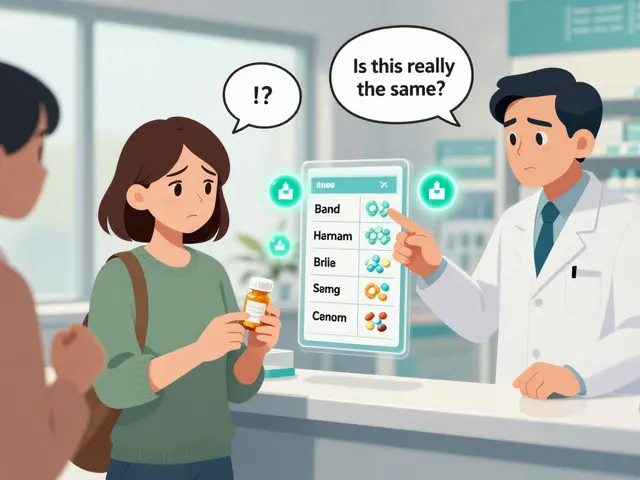
How to Communicate with Your Pharmacy During Generic Drug Transitions
February 7 2026
Cervical Screening: What It Is, Why It Matters, and What to Expect
When you hear cervical screening, a routine medical check that looks for early signs of cervical cancer before symptoms appear. Also known as Pap smear, it's one of the most effective ways to prevent cancer from developing in the first place. This isn’t just a yearly formality—it’s a simple, quick test that has cut cervical cancer deaths by more than half in countries with strong screening programs.
Cervical screening usually means one of two things: a Pap test, a procedure where cells are collected from the cervix to check for abnormal changes, or an HPV test, a test that looks for the human papillomavirus, the main cause of cervical cancer. Many places now do both at once. You don’t need symptoms to need this test. Even if you feel fine, abnormal cells can be growing silently. HPV is common—most sexually active people get it at some point—but your body clears it on its own most of the time. Screening finds the few cases where it doesn’t.
Who needs it? Guidelines vary, but most people with a cervix should start screening at 21, and continue until at least 65—unless they’ve had consistent normal results. If you’ve had a hysterectomy, you might not need it anymore. If you’ve been vaccinated against HPV, you still need screening—vaccines don’t protect against all cancer-causing strains. The test itself takes less than five minutes. You’ll lie back, a speculum opens the vagina gently, and a small brush collects cells from the cervix. It might feel a little uncomfortable, but it shouldn’t hurt. No anesthesia, no downtime. You can go back to work or pick up your kids right after.
Results usually come back in a week or two. Normal means keep doing screenings on schedule. Abnormal doesn’t mean cancer—it means cells look different, and your doctor will explain what that means and what comes next. Most changes go away on their own. Some need monitoring. A few need a minor procedure to remove them. Catching it early means you avoid surgery, chemotherapy, or worse.
Not everyone gets screened. Fear, shame, cost, lack of access, or just forgetting are big reasons. But skipping it puts you at risk. The good news? Screening works. It’s proven. It’s safe. And it’s one of the few medical tests that can actually stop cancer before it starts.
Below, you’ll find real guides on how to prepare for your screening, what to ask your provider, how to understand your results, and how to stay on top of your gynecological health—even if you’ve had a bad experience before. No fluff. Just what you need to know to protect yourself.
 6 Dec
6 Dec
Cervical Cancer Prevention: How HPV Vaccination and Pap Testing Save Lives
HPV vaccination and regular Pap testing are the two most effective ways to prevent cervical cancer. Together, they can reduce cases by up to 90%-and may eliminate the disease entirely in the coming decades.
Read More...