Statins and ALS: What the Latest Science Really Says
November 19 2025
Orlistat: How It Works, What to Expect, and Alternatives
When you take Orlistat, a prescription and over-the-counter weight loss medication that stops your body from absorbing dietary fat. Also known as Xenical or Alli, it works in your gut—not your brain—to prevent about 30% of the fat you eat from being absorbed. That unused fat exits your body through bowel movements, which is why users often see oily stools or urgent bathroom trips. It’s not a magic pill, but for people struggling with obesity, it’s one of the few FDA-approved drugs that actually changes how your body handles food.
Orlistat doesn’t burn fat or suppress appetite. Instead, it inhibits lipase, an enzyme your pancreas makes to break down fat. Without that enzyme, fat passes through your digestive system mostly untouched. That means calories from fat don’t get stored as body fat. But here’s the catch: you still have to eat less. If you eat a high-fat meal while taking Orlistat, you’re just setting yourself up for uncomfortable side effects. It works best when paired with a low-fat, calorie-controlled diet. People who stick to around 30% of calories from fat tend to lose more weight and have fewer unpleasant reactions.
Orlistat is often compared to other weight loss approaches, like GLP-1 agonists (e.g., semaglutide) or appetite suppressants. But unlike those drugs, Orlistat doesn’t affect your hormones or brain chemistry. That makes it a safer choice for people with anxiety, heart conditions, or those avoiding psychiatric side effects. Still, it’s not for everyone. If you have gallbladder issues, chronic malabsorption, or are pregnant, your doctor will likely steer you clear. And because it blocks fat absorption, it can also reduce your uptake of fat-soluble vitamins like A, D, E, and K. That’s why many users take a multivitamin—ideally, at least two hours before or after taking Orlistat.
What you’ll find in the posts below are real comparisons and practical insights. You’ll see how Orlistat stacks up against other weight loss meds, what users actually experience (good and bad), and how diet changes make or break results. There’s also advice on managing side effects, spotting when it’s not working, and what to do next if you hit a plateau. These aren’t theoretical guides—they’re written by people who’ve tried it, tracked their progress, and learned the hard way what works.
 24 Oct
Orlistat vs Alternatives: A Detailed Comparison
A comprehensive, side‑by‑side look at Orlistat versus popular weight‑loss alternatives, covering how they work, effectiveness, side‑effects, cost, and real‑world tips.
Read More...POPULAR POSTS


How to Track Pediatric Doses with Apps and Dosing Charts
January 6 2026

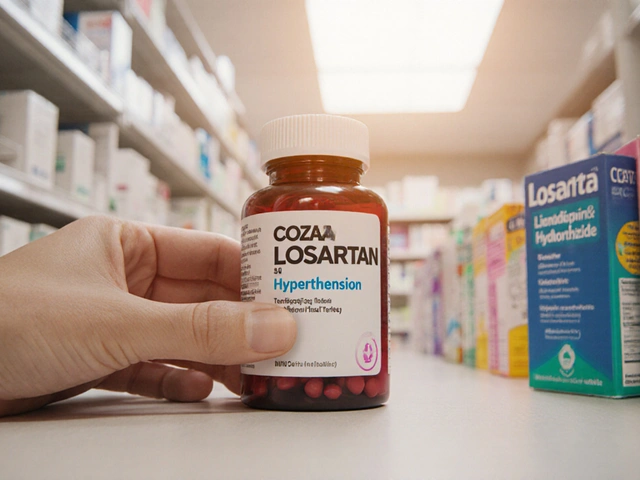
Losartan (Cozaar) Compared to Common Blood Pressure Alternatives
October 14 2025