Heat Exposure Precautions with Diuretics and Anticholinergics: What You Need to Know
December 26 2025
Overdose Reversal: How Naloxone and Other Treatments Save Lives
When someone overdoses, especially on opioids, their breathing slows or stops—sometimes in just minutes. Overdose reversal, the process of quickly restoring normal breathing after a drug overdose, often using medications like naloxone. Also known as opioid reversal, it’s not magic. It’s science, timing, and access. Every second counts. In 2022, over 70,000 people in the U.S. died from opioid overdoses. Many of those deaths could have been prevented if naloxone was nearby and someone knew how to use it.
Naloxone, a medication that blocks opioid receptors in the brain and reverses the effects of opioids like heroin, fentanyl, or prescription painkillers. Also known as Narcan, it’s safe, fast-acting, and has no effect if opioids aren’t present. You can’t get high on it. You can’t overdose on it. It’s available as a nasal spray or injection, and many pharmacies sell it without a prescription. But knowing how to use it isn’t enough. You also need to know when to use it. Signs of an opioid overdose include blue lips, slow or shallow breathing, unresponsiveness, and pinpoint pupils. If someone’s unresponsive and not breathing normally, give naloxone immediately—even if you’re not sure it’s an opioid overdose.
Overdose prevention, a broader strategy that includes harm reduction, education, and access to treatment is just as important as reversal. People who use opioids regularly, especially those on high-dose prescriptions or mixing drugs, are at higher risk. So are people recently released from jail or rehab—their tolerance drops fast. Having naloxone on hand isn’t just for strangers. It’s for friends, family, coworkers. It’s for anyone who might be around someone who uses drugs. And it’s not just about naloxone. Training in CPR, calling 911, and staying with the person until help arrives are all part of the chain of survival.
Some people worry that having naloxone encourages drug use. That’s not what the data shows. Studies from cities that distributed naloxone widely found no increase in drug use—only more lives saved. In fact, the CDC says naloxone distribution is one of the most effective public health tools we have against overdose deaths. It doesn’t fix addiction. But it buys time—for treatment, for recovery, for another chance.
What you’ll find in the posts below isn’t just theory. It’s real-world guidance on how medications work, how to spot dangerous interactions, and how to stay safe when taking prescriptions. You’ll see how drugs like naloxone fit into the bigger picture of medication safety, from side effects to dosing timing to generic drug reliability. This isn’t about fear. It’s about being prepared. Because the next time someone stops breathing, you might be the one who knows what to do.
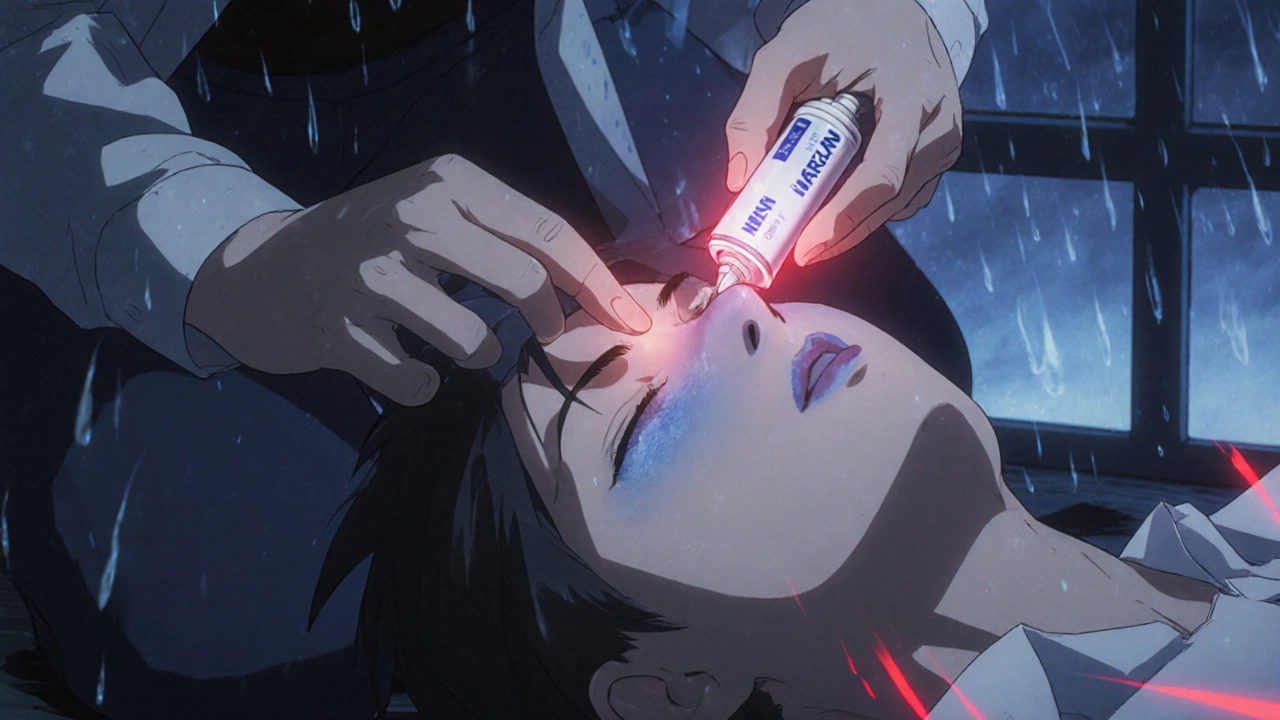 14 Nov
How to Use Naloxone Nasal Spray for Opioid Overdose: Step-by-Step Guide
Learn how to use naloxone nasal spray to reverse an opioid overdose in under 5 minutes. Step-by-step guide for bystanders, families, and community members-no medical training required.
Read More...