Exercise and Diabetes: Physical Activity Plans for Blood Sugar Control
March 12 2026
Store Pills Properly: How to Keep Medications Safe and Effective
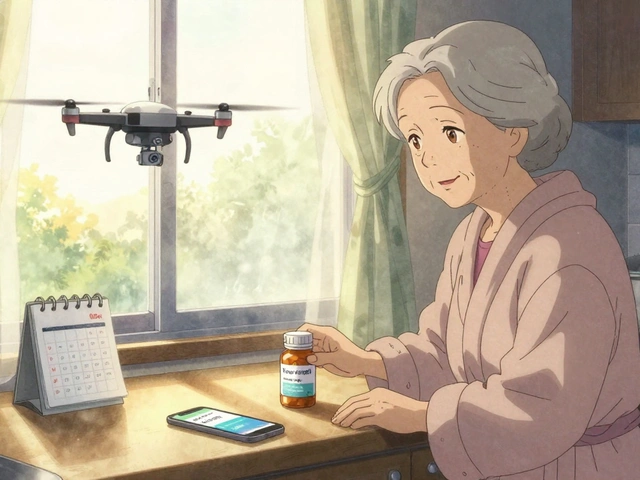
When you store pills properly, you’re not just keeping them in a cabinet—you’re protecting your health. Medication storage, the practice of keeping drugs in conditions that preserve their strength and safety matters more than most people realize. A pill left in a hot bathroom or a damp drawer can lose its power, break down into harmful substances, or even become unsafe to take. This isn’t theoretical—it’s why the FDA and other health agencies have clear rules for how medicines should be kept.
Temperature and humidity are the two biggest enemies of pills. Temperature control, maintaining a steady, cool environment for drugs is critical. Most medications work best between 68°F and 77°F. Too hot, and they degrade fast—like insulin turning useless or nitroglycerin losing its punch. Too cold, and some liquids freeze and separate. Humidity control, keeping moisture away from pills to prevent swelling, cracking, or mold, is just as important. Bathrooms and kitchens are bad spots because steam and splashes create damp air. A bedroom drawer or a cool closet works better. Even something as simple as leaving the cotton ball in the bottle can trap moisture and ruin your meds.
It’s not just about where you put them—it’s about who uses them. People with low vision or hearing loss need clear labeling and organized systems to avoid mistakes. Kids and pets can’t tell the difference between candy and pills, so locked storage matters. And if you’re taking multiple drugs, mixing them in one container might seem convenient, but it’s dangerous. Different pills react differently to light, air, and moisture. Storing them together can speed up breakdown. Drug safety, the overall practice of handling, storing, and using medications to prevent harm means paying attention to every detail, even the ones no one talks about.
You don’t need fancy tools to do this right. A simple digital thermometer and hygrometer—under $15 online—can show you if your storage spot is safe. Check it once a week. If your pills look different—discolored, cracked, or smelling odd—don’t take them. Talk to your pharmacist. They’ve seen what happens when people skip these basics. And if you travel, carry pills in your carry-on, not the checked bag. Airplane cargo holds can hit 140°F in summer. That’s not storage. That’s a science experiment.
Below, you’ll find real, practical guides on how to handle every kind of medication safely—from insulin to antibiotics to blood pressure pills. We cover what to avoid, how to set up a smart storage system, and how to spot when your meds have gone bad. No fluff. No theory. Just what works.
 1 Dec
1 Dec
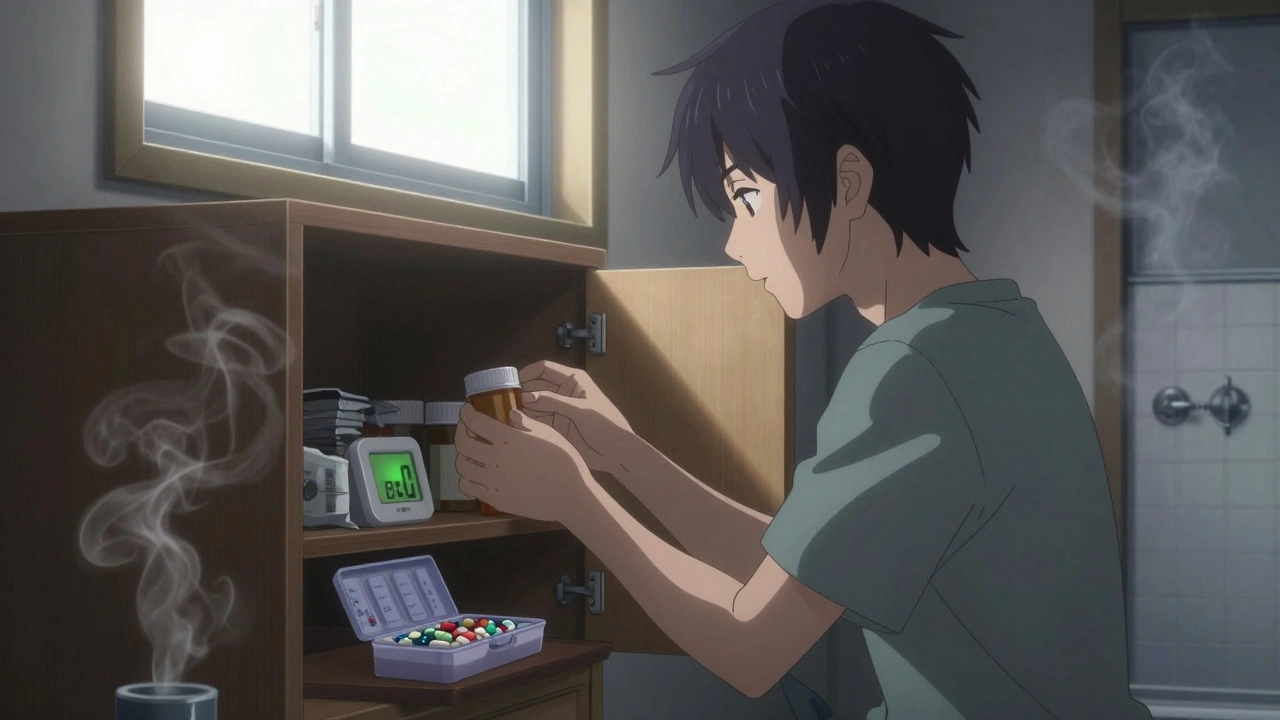
How to Store Medications to Prevent Early Expiration: A Practical Guide
Learn how to store medications properly to prevent early expiration, avoid health risks, and save money. Discover where not to keep pills, how to check for degradation, and what to do with expired drugs.
Read More...