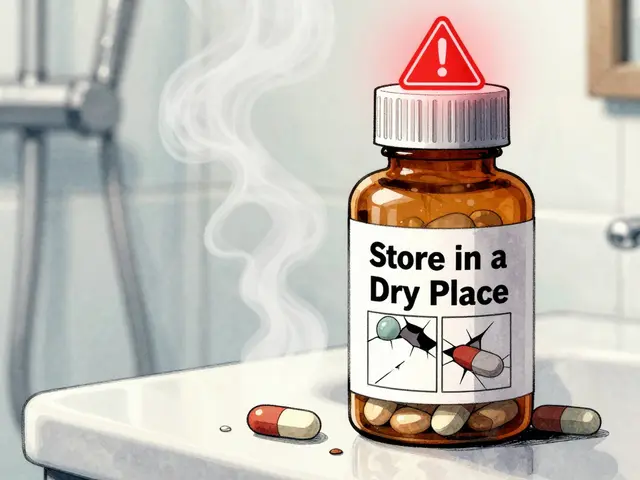
How to Read Storage Instructions on Medication Labels
January 18 2026
Hearing Loss: Causes, Medications, and What You Can Do
When you start missing parts of conversations or hear ringing in your ears, it might not be just age—it could be hearing loss, a condition where the ability to detect sound diminishes, often due to damage to inner ear structures or nerve pathways. Also known as sensorineural hearing impairment, it affects over 48 million Americans and isn’t always permanent—but it’s often preventable if caught early. Many people assume it’s just part of getting older, but drugs, infections, and even high blood pressure can speed it up. The truth? Your ears are more sensitive to what you take than you think.
Some medications are known to harm hearing. These are called ototoxic drugs, medications that can damage the inner ear or auditory nerve, leading to hearing loss, tinnitus, or balance problems. Common culprits include certain antibiotics like gentamicin, high doses of aspirin, loop diuretics like furosemide, and even some chemotherapy drugs. Even common OTC painkillers, when used long-term, have been linked to increased risk. And while not everyone reacts the same way, if you’re on multiple meds or have kidney issues, your risk goes up. You might not notice the change until it’s too late—until you’re asking people to repeat themselves at dinner or turning the TV up too loud. That’s why tracking changes in your hearing matters as much as tracking your blood pressure.
What to Watch For
Early signs of hearing loss aren’t always obvious. It’s not just volume—it’s clarity. Does speech sound muffled? Do you hear ringing, buzzing, or hissing (that’s tinnitus, a perception of sound without an external source, often linked to noise exposure or ototoxic medications)? Do you struggle in noisy rooms but hear fine in quiet ones? These aren’t normal aging quirks. They’re red flags. And if you’re on meds for diabetes, high blood pressure, or depression, you’re more likely to be affected. Some blood pressure drugs, for example, can reduce blood flow to the inner ear. Others, like those that affect potassium levels, can disrupt the delicate chemistry your ears need to function. It’s not just about the drug—it’s about how your body handles it.You don’t have to accept hearing loss as inevitable. Many cases are reversible if caught early. Stopping or switching a culprit drug can help. Reducing noise exposure, managing chronic conditions, and getting regular hearing checks make a real difference. And if you’re worried about a medication you’re taking, talk to your pharmacist. They see what doctors often miss—the hidden connections between pills and side effects. The posts below cover exactly that: which drugs are linked to hearing changes, how to spot them before they worsen, and what alternatives exist. You’ll find real stories, real data, and real steps you can take today to protect your hearing—not just tomorrow, but for years to come.
 1 Dec
1 Dec
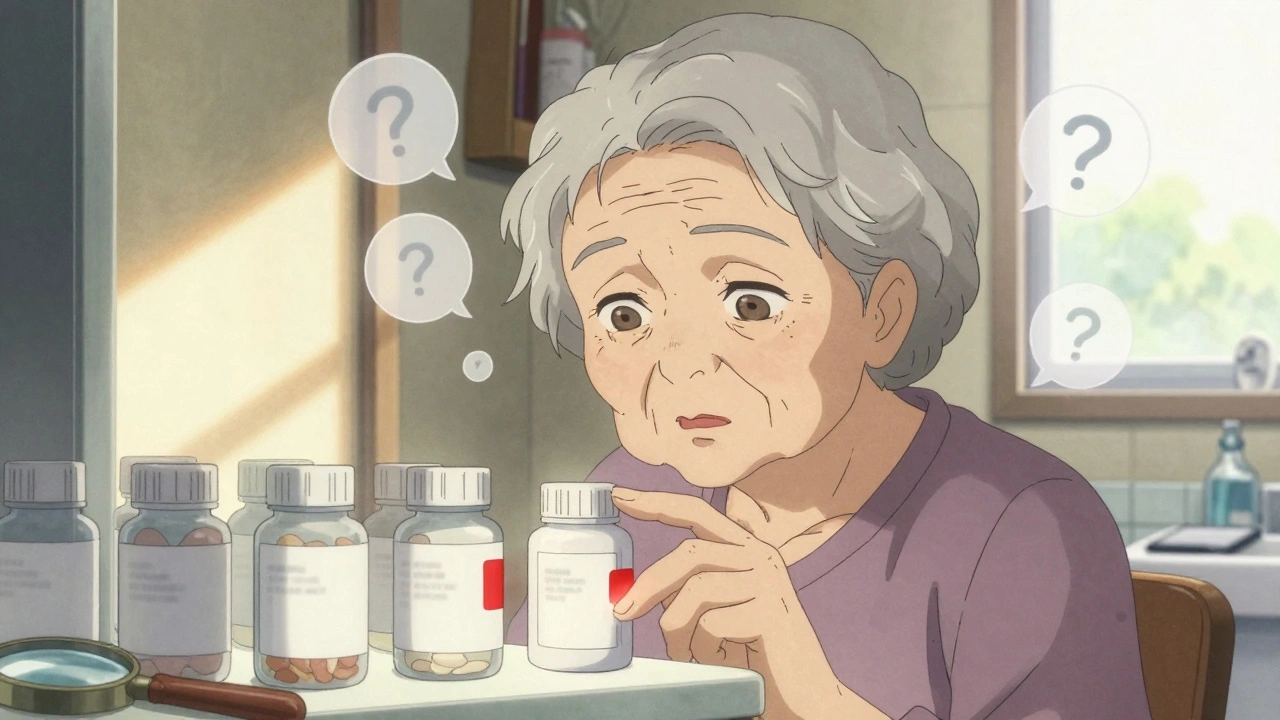
Medication Safety for People with Low Vision or Hearing Loss: Practical Steps to Prevent Errors
Medication errors are common and dangerous for people with low vision or hearing loss. Learn practical, proven ways to manage prescriptions safely-without relying on perfect sight or hearing.
Read More...POPULAR POSTS